Hair growth injections can help improve hair thickness and reduce shedding for many people. Treatments like PRP support natural follicle activity by using your body’s own platelets. However, results vary because every person has a different cause of hair loss. A proper evaluation helps identify the most suitable treatment for your needs.
If thinning hair affects your confidence, do not wait until it becomes more noticeable. At Sadiya Clinic, you receive one-on-one guidance and a treatment plan designed for your unique hair concerns. Schedule a consultation today to learn about your options. You can also explore our concierge services for personalized support. Our team provides guidance and care at every stage of your treatment journey.
What Is PRP Therapy for Hair Growth and How Does It Support Hair Follicles?
PRP therapy uses a concentrated portion of your own blood to encourage hair growth. After processing the blood sample, your provider injects the platelet-rich plasma into selected scalp areas. These platelets release natural growth factors that nourish follicles and support stronger, healthier strands over time.
According to a 2024 systematic review in the Journal of Cosmetic Dermatology [1], PRP therapy may improve hair density and hair count. The review included people with androgenetic alopecia. However, treatment methods differed across studies. Therefore, researchers recommended standardized protocols. They also called for larger clinical trials to confirm long-term results.
What Benefits Can PRP Hair Treatment Offer for Thinning Hair?
PRP hair treatment may improve hair thickness and support healthier follicle function. Many people also notice less shedding after several sessions. Since the treatment uses your own platelets, the risk of an allergic reaction is low. However, results vary based on your hair condition and overall health.
Key benefits may include:
- Improves Hair Thickness: PRP may help existing hair grow stronger and look fuller over time.
- Reduces Hair Shedding: Many people experience less daily hair fall after completing recommended sessions.
- Uses Your Body’s Natural Platelets: The treatment uses platelets from your own blood to support the scalp.
- Requires Little Recovery Time: Most people return to normal activities soon after each session.
- Works Well With Other Treatments: PRP may complement other hair loss treatments when recommended by your provider.
These benefits often appear gradually instead of overnight. Therefore, patience is important during treatment. Your provider will monitor your progress and adjust your plan if needed. Following the recommended schedule and caring for your scalp can help support healthier hair growth over time.
When Will You See Hair Growth Results After PRP Therapy?
Most people notice hair growth changes within three to six months after starting PRP therapy. However, every person responds differently. Some people see improvement sooner, while others need more time. Regular treatment sessions and follow-up care often support better progress. Your provider will monitor your results throughout the process.
According to a 2023 meta-analysis in the Journal of Cutaneous Medicine and Surgery [2], PRP therapy improved hair density. Results appeared after three to six months. Researchers also found better hair count. Hair thickness increased in many cases. However, results varied between participants. Therefore, regular follow-up may support better long-term outcomes.
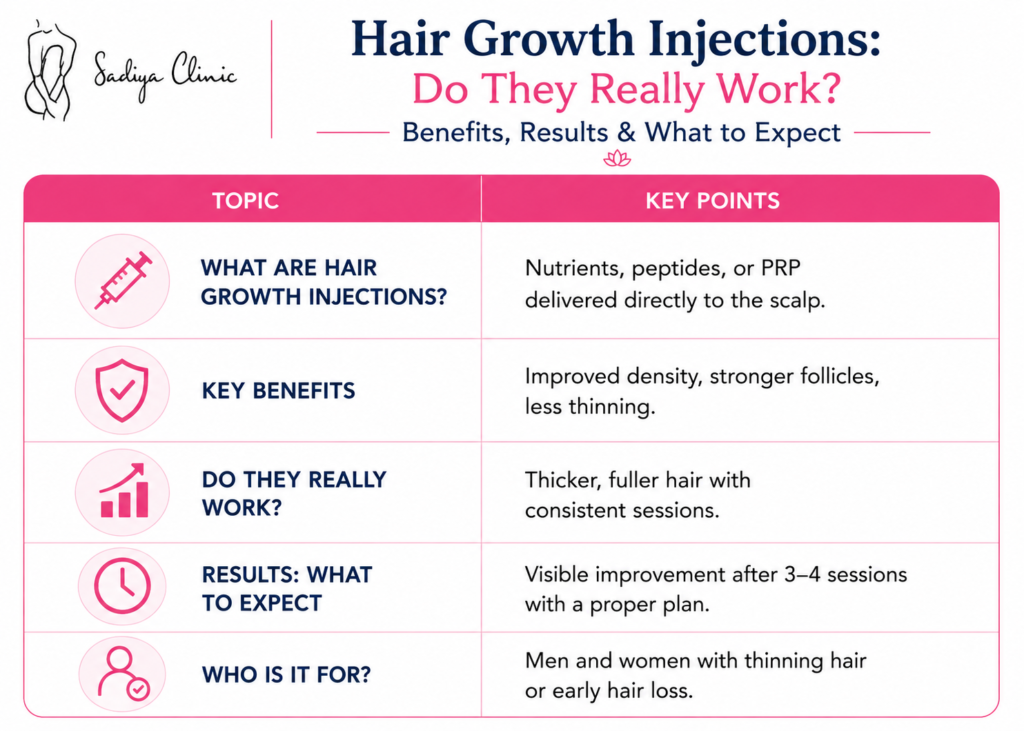
Who Should Consider PRP Hair Treatment and Is It the Right Choice for You?
PRP hair treatment may suit people with early or moderate hair thinning. It can also help those with androgenetic alopecia who still have active hair follicles. However, it may not benefit everyone. A professional evaluation helps identify the cause of hair loss and determines whether this treatment matches your needs.
Early Hair Thinning
People with early hair thinning often respond better to PRP therapy. Active hair follicles have a greater chance of improvement. Starting treatment sooner may support stronger and healthier hair over time.
Healthy Hair Follicles
PRP works best when hair follicles remain active. Existing follicles can respond more effectively to growth factors. This may improve hair density and reduce further thinning.
Medical History
Certain health conditions may affect treatment results. Blood disorders, scalp infections, or uncontrolled illnesses require careful evaluation. Your provider will review your medical history before recommending PRP therapy.
Professional Hair Loss Assessment
Hair loss has many possible causes. Therefore, an accurate diagnosis is important. A detailed assessment helps identify the problem and supports a treatment plan that matches your individual needs.
According to a 2023 meta-analysis in Plastic and Reconstructive Surgery [3], PRP therapy improved hair density. It also increased hair thickness. Many participants showed positive changes. However, treatment responses differed. Patient selection played an important role. Therefore, researchers recommended personalized care. They also encouraged further studies to improve treatment consistency.
Take the First Step Toward Healthier Hair Growth Today with Sadiya Clinic
Hair loss can affect your confidence and make daily styling more difficult. You may notice a wider part, thinning areas, or extra hair on your brush. These changes can feel stressful over time. However, early care can help you understand the cause and explore the right treatment before the problem gets worse.
At Sadiya Clinic, we provide personalized hair loss evaluations and treatment plans based on your needs. We explain every step clearly and recommend suitable options, including PRP therapy when appropriate. Contact us today through our contact page or email us at sadiya@sadiyaclinic.com to learn more about your options and start your journey toward healthier, fuller-looking hair.
FAQs
How many PRP sessions are usually needed for noticeable hair growth?
Most people need three to four PRP sessions to notice hair growth. Treatments are usually scheduled about one month apart. However, the exact number depends on your hair condition and treatment goals. Your provider may also recommend maintenance sessions every few months to help keep your results.
How long do PRP hair treatment results typically last?
PRP hair treatment results usually last 12 to 18 months. However, this can vary from person to person. Your age, hair condition, and the cause of hair loss all play a role. Regular follow-up sessions can help maintain your results and support healthy hair growth over time.
Can PRP injections be combined with Minoxidil or Finasteride?
Yes, PRP injections can often be combined with minoxidil or finasteride. This approach may improve results for some people with hair loss. However, your treatment plan should match your health needs. Therefore, always follow your provider’s advice before combining treatments for better hair growth outcomes.
What should you avoid before and after a PRP session?
Before a PRP session, avoid alcohol, smoking, and blood-thinning medicines if your provider approves. After treatment, protect your scalp and avoid heavy exercise for a short time. Also, skip harsh hair products and direct sunlight. Following these instructions helps your scalp recover and supports better hair growth results.
What factors can affect the success of PRP hair treatment?
Several factors affect PRP hair treatment results. Early treatment often works better than advanced hair loss. Your age, overall health, and the cause of hair loss also matter. Following your provider’s instructions supports better healing. In addition, regular sessions and a healthy lifestyle may improve long-term hair growth outcomes.