— VIENNA, VA • MINUTES FROM TYSONS CORNER

Specialists in Medical Aesthetics and Hormone Optimization in Northern Virginia

Botox, dermal fillers, PDO thread lifts, laser skin renewal and PRP hair restoration delivered by Dr. Sadiya Naseem, DNP, FNP-BC, a national trainer of injectors across the country.

Tag: The Sadiya Clinic

Dermal Fillers Results

Dermal fillers are injectable products that add volume beneath the skin. They can soften facial lines and improve certain contours. Common treatment areas include the lips, cheeks, and under-eye region. Different formulas serve different purposes. Therefore, treatment results can vary based on the product, placement, technique, and your natural facial structure.

If you are exploring this treatment, reliable information can make your decision easier. At Sadiya Clinic, you can receive professional guidance throughout the process. You can learn about available options, possible outcomes, and important aftercare steps. This helps you understand what suits your needs before proceeding. Schedule a consultation today to learn more about your options. You can also explore Sadiya Clinic’s concierge services for personalized support.

What Are the Different Types of Dermal Fillers?

Different dermal fillers use different materials, including hyaluronic acid, calcium hydroxylapatite, poly-L-lactic acid, and PMMA. Hyaluronic acid fillers are widely used for lips, cheeks, and facial lines. Calcium hydroxylapatite can restore deeper volume and definition. Poly-L-lactic acid works gradually by supporting collagen production. PMMA offers longer-lasting correction in specific approved applications. Each option has different properties and uses.

According to the FDA [1], dermal fillers contain different materials for specific cosmetic uses. Hyaluronic acid supports temporary volume and smoothing. Calcium hydroxylapatite provides longer-lasting correction. Poly-L-lactic acid works gradually over time. PMMA offers a permanent option. Each material has distinct properties, effects, and approved uses. Therefore, providers select products according to individual treatment needs.

What Are the Main Dermal Filler Benefits for Your Appearance?

Dermal fillers can enhance facial appearance by restoring volume and improving definition. They may soften certain lines and create smoother contours. Depending on your needs, treatment can refine the lips, cheeks, or under-eye area. Moreover, carefully placed filler can support better facial balance while maintaining your natural expressions and appearance.

Here are some common benefits you may notice:

  • Restored facial volume: Fillers can replace fullness that decreases with age.
  • Smoother appearance: They may soften certain lines and folds.
  • Enhanced lips: Lip fillers can improve shape, fullness, and definition.
  • Defined cheeks: Cheek fillers can create subtle contour and structure.
  • Improved facial balance: Strategic placement can enhance overall symmetry.
  • Subtle enhancement: A personalized approach can create refined changes without altering your natural look.

Dermal fillers offer versatile options for different cosmetic concerns. However, results depend on the product, placement, and treatment area. Your facial structure also influences the final appearance. Therefore, a qualified provider should assess your features before treatment. This evaluation helps determine an appropriate approach. It also supports realistic expectations and balanced results that complement your existing appearance.

How Long Do Dermal Fillers Last and When Will You See Results?

Dermal filler results can appear soon after treatment and may last several months or longer. However, the exact duration depends on the product, treatment area, and your individual response. Early swelling can affect the initial appearance. Therefore, results become clearer as swelling settles. Your provider can explain the expected timeline based on your selected filler.

According to a systematic review published in Medicina (Kaunas) [2], dermal filler effects can remain visible for six to 24 months. However, duration varies between products and treatment areas. Results may appear soon after treatment, although early swelling can affect their appearance. Therefore, your provider can explain the expected timeline based on the selected filler and treatment area.
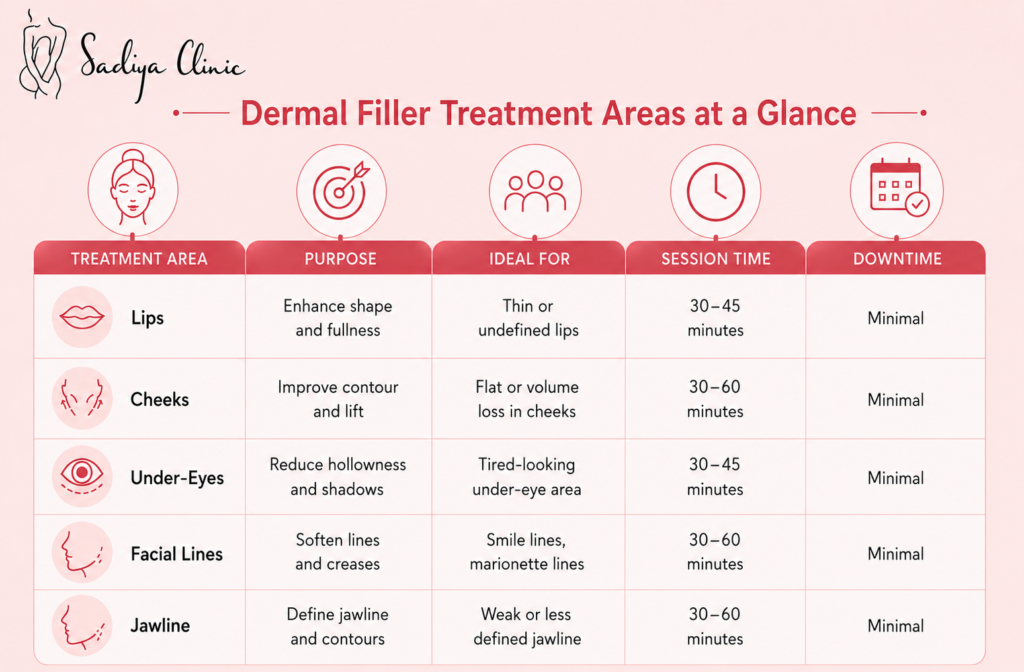
Dermal filler treatment areas at a glance

What Should You Expect Before, During, and After Dermal Filler Treatment?

You can expect a consultation before treatment, careful injections during the procedure, and temporary reactions afterward. First, your provider reviews your goals and medical history. Next, they assess your facial features and treatment area. During treatment, they cleanse the skin and place the product carefully. Afterward, mild swelling, redness, or tenderness may occur. These effects usually improve as your skin settles.

Before Your Dermal Filler Treatment

Your consultation helps identify suitable treatment areas and realistic goals. Your provider reviews relevant health details and examines your facial structure. They may also discuss product choices, expected results, possible risks, and preparation steps.

During the Dermal Filler Procedure

The provider cleanses the selected area before treatment. Then, they use a fine needle or cannula to place the product carefully. The technique depends on the location and desired outcome. You may feel brief pressure or mild discomfort.

Dermal Filler Recovery and Aftercare

Temporary swelling, redness, bruising, or tenderness can occur after injections. These effects usually settle gradually. Follow your provider’s aftercare guidance carefully. Avoid unnecessary pressure on treated areas. Also, contact your provider if unusual or persistent symptoms develop.

Your Dermal Filler Results

You may notice changes soon after treatment. However, early swelling can affect the appearance. Results become easier to assess as the treated area settles. Your provider can explain when to expect the final outcome. Individual healing times can differ.

Research published in Aesthetic Plastic Surgery [3] reviewed adverse events after hyaluronic acid filler injections. Common reactions included swelling, pain, redness, bruising, firmness, and tenderness. Most effects were temporary and manageable. Therefore, knowing these possible responses can help you prepare for recovery. Your provider can also explain warning signs and appropriate aftercare before treatment begins. 
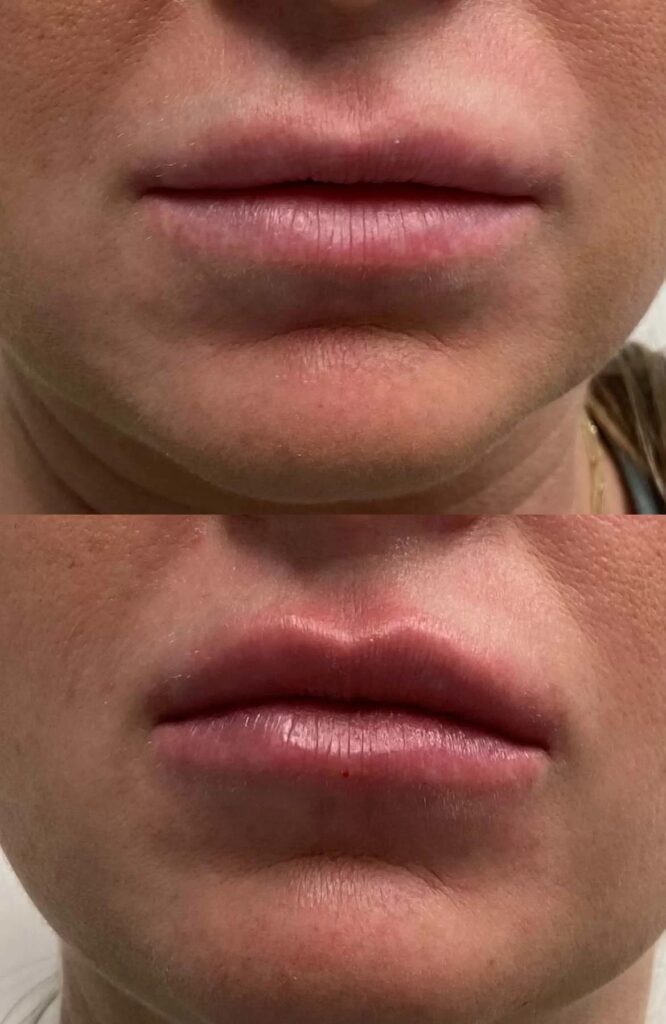
Dermal Fillers before after results

Start Your Personalized Dermal Filler Consultation at Sadiya Clinic

You may want to soften facial lines, restore lost volume, or enhance your natural features. However, choosing the right filler can feel confusing. You may also worry about looking unnatural, selecting the wrong treatment area, or not knowing what results to expect. These concerns can make you hesitate before starting treatment.

At Sadiya Clinic, you can discuss your concerns with a qualified provider before treatment. Your facial features help guide the recommended approach. Your goals and treatment area also matter. The team can explain suitable filler options, expected results, and aftercare. This guidance helps you make informed choices with confidence. Contact us today to discuss your goals. You can also email sadiya@sadiyaclinic.com for more information.

FAQs

Are Dermal Fillers Safe for First-Time Patients?

Dermal fillers can be safe for first-time patients when a qualified provider performs the treatment. However, your medical history, skin condition, and treatment goals matter. Therefore, a proper consultation should come first. Your provider can assess your needs, explain possible risks, and choose a suitable product and treatment approach.

How Much Do Dermal Fillers Cost?

Dermal filler costs vary based on the product, treatment area, amount needed, and provider’s expertise. For example, lip fillers may require a different amount than cheek treatments. Therefore, an exact price requires a personal consultation. Your provider can assess your goals and recommend an appropriate treatment plan with clear pricing.

Can You Wear Makeup After Getting Dermal Fillers?

You can usually wear makeup after dermal fillers, but waiting several hours can help protect treated areas. Avoid rubbing or pressing the skin during application. Instead, use clean hands and gentle products. Your provider may suggest waiting longer, especially after extensive treatment. Follow their specific instructions for the safest recovery.

What Should You Avoid After Dermal Filler Injections?

After dermal filler injections, avoid strenuous exercise, excessive heat, alcohol, and unnecessary pressure on treated areas. Also, do not massage or touch the injection sites unless your provider advises it. For the first day, keep your routine gentle. Follow your clinic’s aftercare instructions carefully to support comfortable recovery and optimal results.

Can Dermal Fillers Look Natural?

Yes, dermal fillers can look natural when a qualified provider uses the right product and amount. Your facial structure, treatment goals, and skin condition also matter. Therefore, subtle placement often creates balanced results. A personalized approach helps maintain your natural expressions while improving volume, shape, or facial definition.

References

  1. U.S. Food and Drug Administration. (n.d.). FDA-approved dermal fillers. U.S. Department of Health and Human Services.
  2. Janovskiene, A., Chomicius, D., Afanasjevas, D., Petronis, Z., Razukevicius, D., & Jagelaviciene, E. (2025). Safety and potential complications of facial wrinkle correction with dermal fillers: A systematic literature review. Medicina, 61(1), 25.
  3. Kyriazidis, I., Spyropoulou, G.-A., Zambacos, G., Tagka, A., Rakhorst, H. A., Gasteratos, K., Berner, J. E., & Mandrekas, A. (2024). Adverse events associated with hyaluronic acid filler injection for non-surgical facial aesthetics: A systematic review of high level of evidence studies. Aesthetic Plastic Surgery, 48(4), 719–741.

Aesthetician, Dermal Filler, Facial Balancing, The Sadiya Clinic
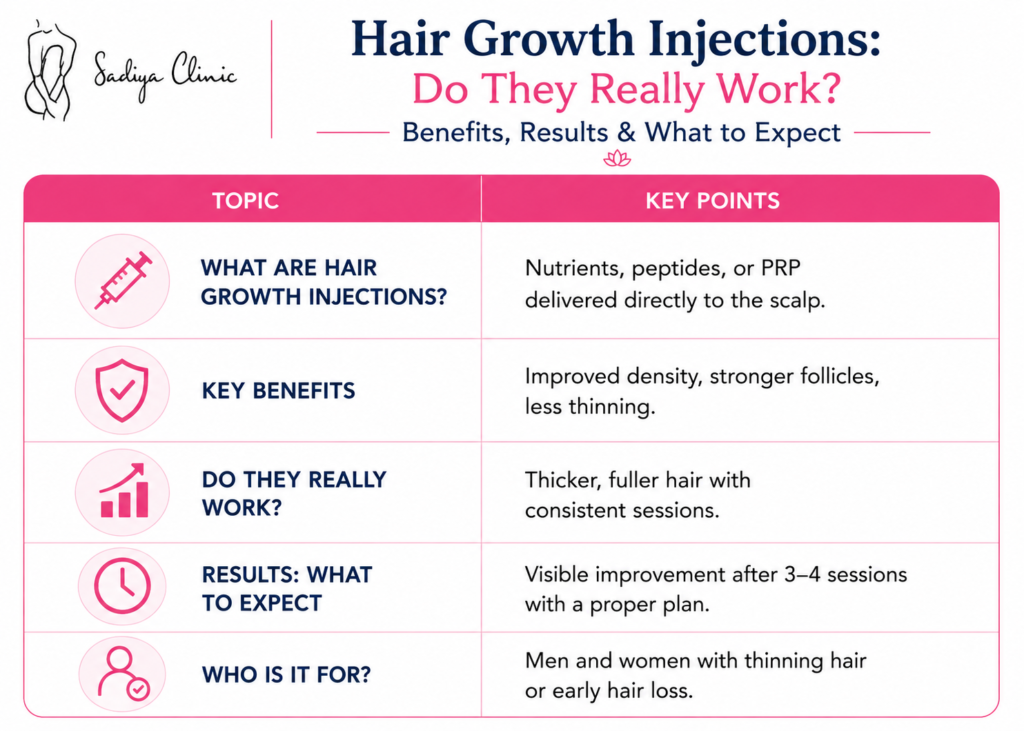
Hair Growth Treatment

Hair growth injections can help improve hair thickness and reduce shedding for many people. Treatments like PRP support natural follicle activity by using your body’s own platelets. However, results vary because every person has a different cause of hair loss. A proper evaluation helps identify the most suitable treatment for your needs.

If thinning hair affects your confidence, do not wait until it becomes more noticeable. At Sadiya Clinic, you receive one-on-one guidance and a treatment plan designed for your unique hair concerns. Schedule a consultation today to learn about your options. You can also explore our concierge services for personalized support. Our team provides guidance and care at every stage of your treatment journey.

What Is PRP Therapy for Hair Growth and How Does It Support Hair Follicles?

PRP therapy uses a concentrated portion of your own blood to encourage hair growth. After processing the blood sample, your provider injects the platelet-rich plasma into selected scalp areas. These platelets release natural growth factors that nourish follicles and support stronger, healthier strands over time.

According to a 2024 systematic review in the Journal of Cosmetic Dermatology [1], PRP therapy may improve hair density and hair count. The review included people with androgenetic alopecia. However, treatment methods differed across studies. Therefore, researchers recommended standardized protocols. They also called for larger clinical trials to confirm long-term results.

What Benefits Can PRP Hair Treatment Offer for Thinning Hair?

PRP hair treatment may improve hair thickness and support healthier follicle function. Many people also notice less shedding after several sessions. Since the treatment uses your own platelets, the risk of an allergic reaction is low. However, results vary based on your hair condition and overall health.

Key benefits may include:

  • Improves Hair Thickness: PRP may help existing hair grow stronger and look fuller over time.
  • Reduces Hair Shedding: Many people experience less daily hair fall after completing recommended sessions.
  • Uses Your Body’s Natural Platelets: The treatment uses platelets from your own blood to support the scalp.
  • Requires Little Recovery Time: Most people return to normal activities soon after each session.
  • Works Well With Other Treatments: PRP may complement other hair loss treatments when recommended by your provider.

These benefits often appear gradually instead of overnight. Therefore, patience is important during treatment. Your provider will monitor your progress and adjust your plan if needed. Following the recommended schedule and caring for your scalp can help support healthier hair growth over time.

When Will You See Hair Growth Results After PRP Therapy?

Most people notice hair growth changes within three to six months after starting PRP therapy. However, every person responds differently. Some people see improvement sooner, while others need more time. Regular treatment sessions and follow-up care often support better progress. Your provider will monitor your results throughout the process.

According to a 2023 meta-analysis in the Journal of Cutaneous Medicine and Surgery [2], PRP therapy improved hair density. Results appeared after three to six months. Researchers also found better hair count. Hair thickness increased in many cases. However, results varied between participants. Therefore, regular follow-up may support better long-term outcomes.

Hair Growth Injections: do they really work?

Who Should Consider PRP Hair Treatment and Is It the Right Choice for You?

PRP hair treatment may suit people with early or moderate hair thinning. It can also help those with androgenetic alopecia who still have active hair follicles. However, it may not benefit everyone. A professional evaluation helps identify the cause of hair loss and determines whether this treatment matches your needs.

Early Hair Thinning

People with early hair thinning often respond better to PRP therapy. Active hair follicles have a greater chance of improvement. Starting treatment sooner may support stronger and healthier hair over time.

Healthy Hair Follicles

PRP works best when hair follicles remain active. Existing follicles can respond more effectively to growth factors. This may improve hair density and reduce further thinning.

Medical History

Certain health conditions may affect treatment results. Blood disorders, scalp infections, or uncontrolled illnesses require careful evaluation. Your provider will review your medical history before recommending PRP therapy.

Professional Hair Loss Assessment

Hair loss has many possible causes. Therefore, an accurate diagnosis is important. A detailed assessment helps identify the problem and supports a treatment plan that matches your individual needs.

According to a 2023 meta-analysis in Plastic and Reconstructive Surgery [3], PRP therapy improved hair density. It also increased hair thickness. Many participants showed positive changes. However, treatment responses differed. Patient selection played an important role. Therefore, researchers recommended personalized care. They also encouraged further studies to improve treatment consistency.

Take the First Step Toward Healthier Hair Growth Today with Sadiya Clinic

Hair loss can affect your confidence and make daily styling more difficult. You may notice a wider part, thinning areas, or extra hair on your brush. These changes can feel stressful over time. However, early care can help you understand the cause and explore the right treatment before the problem gets worse.

At Sadiya Clinic, we provide personalized hair loss evaluations and treatment plans based on your needs. We explain every step clearly and recommend suitable options, including PRP therapy when appropriate. Contact us today through our contact page or email us at sadiya@sadiyaclinic.com to learn more about your options and start your journey toward healthier, fuller-looking hair.

FAQs

How many PRP sessions are usually needed for noticeable hair growth?

Most people need three to four PRP sessions to notice hair growth. Treatments are usually scheduled about one month apart. However, the exact number depends on your hair condition and treatment goals. Your provider may also recommend maintenance sessions every few months to help keep your results.

How long do PRP hair treatment results typically last?

PRP hair treatment results usually last 12 to 18 months. However, this can vary from person to person. Your age, hair condition, and the cause of hair loss all play a role. Regular follow-up sessions can help maintain your results and support healthy hair growth over time.

Can PRP injections be combined with Minoxidil or Finasteride?

Yes, PRP injections can often be combined with minoxidil or finasteride. This approach may improve results for some people with hair loss. However, your treatment plan should match your health needs. Therefore, always follow your provider’s advice before combining treatments for better hair growth outcomes.

What should you avoid before and after a PRP session?

Before a PRP session, avoid alcohol, smoking, and blood-thinning medicines if your provider approves. After treatment, protect your scalp and avoid heavy exercise for a short time. Also, skip harsh hair products and direct sunlight. Following these instructions helps your scalp recover and supports better hair growth results.

What factors can affect the success of PRP hair treatment?

Several factors affect PRP hair treatment results. Early treatment often works better than advanced hair loss. Your age, overall health, and the cause of hair loss also matter. Following your provider’s instructions supports better healing. In addition, regular sessions and a healthy lifestyle may improve long-term hair growth outcomes.

References

  1. Donnelly, C., Minty, I., Dsouza, A., Wong, Y. Y., Mukhopadhyay, I., Nagarajan, V., Rupra, R., Charles, W. N., & Khajuria, A. (2024). The role of platelet-rich plasma in androgenetic alopecia: A systematic review. Journal of Cosmetic Dermatology, 23(5), 1551–1559.
  1. Zhang, X., Ji, Y., Zhou, M., Zhou, X., Xie, Y., Zeng, X., Shao, F., & Zhang, C. (2023). Platelet-rich plasma for androgenetic alopecia: A systematic review and meta-analysis of randomized controlled trials. Journal of Cutaneous Medicine and Surgery, 27(5), 504–508.
  1. Papakonstantinou, M., Siotos, C., Gasteratos, K. C., Spyropoulou, G.-A., & Gentile, P. (2023). Autologous platelet-rich plasma treatment for androgenic alopecia: A systematic review and meta-analysis of clinical trials. Plastic and Reconstructive Surgery, 151(5), 739e–747e.

Hair Growth, The Sadiya Clinic

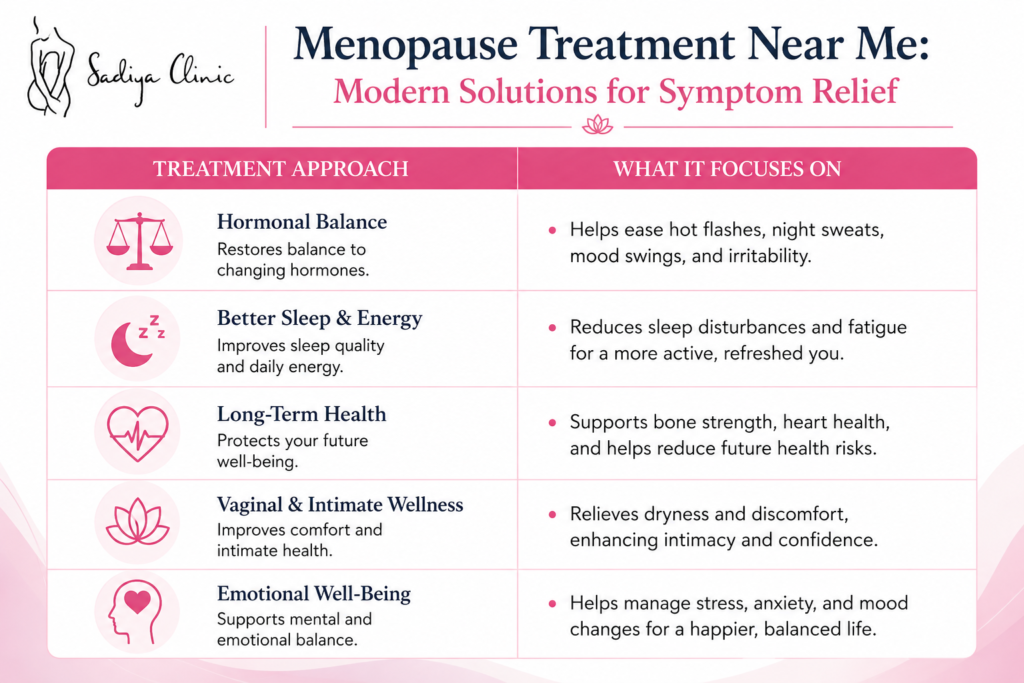
Menopause Treatment Near Me: Modern Solutions for Symptom Relief

Menopause treatment helps relieve common symptoms and supports your overall well-being. Modern care may include hormone therapy, non-hormonal medicines, and healthy lifestyle changes. Your treatment depends on your symptoms and medical history. The right approach can help you feel better and improve your health.

You do not have to manage menopause on your own. At Sadiya Clinic, we provide personalized care for your unique needs. We also offer convenient concierge services for added comfort and support. Schedule a consultation with our team to explore your treatment options and take the first step toward lasting symptom relief.

When Should You See a Doctor for Menopause Symptoms?

Medical advice is important when menopause begins to affect your daily routine or emotional health. Early care helps you understand your treatment options. It also helps prevent future health problems. Your healthcare provider can assess your condition and recommend the right treatment for you.

Research supports early medical evaluation during menopause. A 2022 review in the Journal of Mid-life Health [1], recommends checking your symptoms, menstrual history, and health. It also advises extra tests or specialist referral when needed. This approach helps identify the right treatment and supports better long-term health.

Which Menopause Symptoms Should You Never Ignore?

Some menopause symptoms should never be ignored, especially when they become severe or last for a long time. They may affect your daily routine, sleep, mood, and health. They can also signal another medical condition. Therefore, early evaluation helps identify the cause and ensures you receive the right treatment.

Common symptoms include:

  • Hot flashes and night sweats.
  • Heavy or unusual bleeding.
  • Headaches or dizziness.
  • Bloating and stomach discomfort.
  • Skin changes or itching.
  • Shoulder stiffness or pain.
  • Poor sleep or ongoing fatigue.
  • Mood changes, anxiety, or depression.
  • Brain fog or difficulty concentrating.
  • Nausea.
  • Vaginal dryness or discomfort.

Do not ignore these changes if they continue or affect your daily life. Early care can help relieve discomfort and prevent further health problems. It also helps you stay active and maintain your daily routine. A healthcare provider can identify the cause and recommend the right treatment. Getting help early can make menopause easier to manage.

What Are the Most Effective Menopause Treatment Options Available Today?

The most effective menopause treatment depends on your symptoms, age, and medical history. Hormone therapy helps many women manage common hormonal changes. Non-hormonal medicines, healthy lifestyle habits, and emotional support also provide relief. Your healthcare provider can recommend the option that best suits your health needs and personal goals.

Research supports personalized menopause treatment. A review in Australian Prescriber [2], recommends choosing care based on your symptoms and personal needs. It states that hormone therapy is effective for many women when appropriate. Non-hormonal treatments also provide relief. Regular follow-up helps review your progress and adjust your care when needed.

Menopause

Where Can You Find the Right Menopause Specialist Near You?

Finding the right menopause specialist near me starts with choosing a qualified healthcare provider who understands hormonal changes. Look for someone who listens to your concerns and explains every treatment option clearly. A trusted provider offers personalized care, regular follow-up, and ongoing support. This approach helps you manage menopause with greater confidence.

Check the Provider’s Experience

Choose a provider with experience in menopause care. They should understand common symptoms and current treatment options. Experienced professionals can recommend care based on your needs and answer your questions with confidence.

Look for Personalized Care

Every woman experiences menopause differently. Choose a clinic that creates a treatment plan for your symptoms and health goals. Personalized care often leads to better comfort and long-term support.

Read Patient Reviews

Patient reviews can help you understand the quality of care. Look for positive feedback about communication, professionalism, and follow-up. Honest reviews also give you confidence before booking your first visit.

Choose a Convenient Clinic

A nearby clinic makes follow-up visits easier. Search for a menopause clinic near me or a menopause doctor near me to find accessible care. Easy access helps you stay consistent with your treatment plan.

According to a review published in Clinical Endocrinology [3], personalized menopause care improves treatment outcomes. The review recommends referral to a qualified menopause specialist when additional support is needed. Specialist care helps address complex concerns and provides tailored treatment. This approach improves symptom management, supports better long-term health, and helps women receive the most appropriate care.

Where Can You Find the Right Menopause Specialist Near You?

Book Your Personalized Menopause Consultation Today with Sadiya Clinic

You do not have to deal with menopause symptoms every day. Hot flashes, poor sleep, mood changes, and body pain can make daily life harder. You may also feel tired or uncomfortable. Over time, these symptoms can affect your health, work, and relationships. Getting the right care early can help you feel better and regain your comfort.

At Sadiya Clinic, we create a personalized menopause treatment plan based on your symptoms and health needs. Our experienced team offers compassionate, evidence-based care at every step. Contact us today through our contact page or email us at sadiya@sadiyaclinic.com. We are here to help you find lasting relief and improve your quality of life.

FAQs

How long do menopause symptoms usually last?

Menopause symptoms vary from person to person. Many women experience them for four to eight years. However, some symptoms may last longer. Their severity also differs. Early evaluation and personalized treatment can improve symptom control. As a result, you may enjoy better comfort and a higher quality of life.

Can menopause start before age 40?

Yes, menopause can start before age 40, but it is uncommon. This condition is called premature menopause or primary ovarian insufficiency. It may result from genetics, certain medical treatments, or autoimmune conditions. Early diagnosis is important. Therefore, speak with your healthcare provider if your periods stop unexpectedly or symptoms appear early.

What tests can confirm menopause?

Most women do not need a test to confirm menopause. Your healthcare provider usually reviews your age, symptoms, and menstrual history. However, blood tests may help in some cases. These tests can measure hormone levels, including follicle-stimulating hormone (FSH). Your provider will decide whether testing is necessary.

Can you lose weight during menopause?

Yes, you can lose weight during menopause. However, it often requires more effort. Hormonal changes can slow your metabolism and increase fat storage. Even so, healthy eating and regular exercise support weight loss. Strength training also helps preserve muscle. A healthcare provider can recommend a plan that fits your needs.

Does health insurance cover menopause treatment?

Health insurance coverage depends on your plan. Many policies cover doctor visits and diagnostic tests. Some also include approved medications. However, certain treatments may need prior approval. Out-of-pocket costs can also vary. Therefore, review your policy carefully. You can also contact your insurance provider to confirm your menopause treatment benefits.

References

  1. Agarwal, N., Sharma, S., & Modi, M. (2022). Menopause management: A manual for primary care practitioners. Journal of Mid-life Health, 13(3), 183–194.
  1. Magraith, K., & Jang, C. (2023). Management of menopause. Australian Prescriber, 46(3), 48–53.
  1. Hamoda, H., Moger, S., Morris, E., Baldeweg, S. E., Kasliwal, A., & Gabbay, F. (2024). Menopause practice standards. Clinical Endocrinology, 100(1), 50–55.

Menopause, The Sadiya Clinic

HydraFacial: How to Choose the Right Provider

A hydrafacial can give you the best results when you choose a qualified and experienced provider. The right professional understands your skin type, uses genuine hydrafacial technology, and follows proper safety standards. As a result, you receive personalized care that helps improve your skin while reducing the risk of unwanted irritation or poor results.

If you want healthy, glowing skin, choosing a trusted clinic is an important first step. At Sadiya Clinic, we create a treatment plan based on your skin’s needs and goals. Our experienced team provides professional care in a comfortable setting. Schedule a consultation today and begin your journey to fresher, brighter skin.

How Does a HydraFacial Improve Your Skin Health?

A hydrafacial improves your skin by removing impurities, adding deep hydration, and nourishing the skin with special serums. As a result, your face looks fresher and feels softer after treatment. It can also improve uneven texture and support a healthy complexion. Most people notice visible results after just one session.

Research also supports the benefits of hydrafacial. A study published in the Journal of Cosmetic Dermatology [1], found that hydradermabrasion improved skin hydration, texture, and the appearance of fine lines after treatment. Therefore, regular sessions may help maintain healthier-looking skin over time when combined with a consistent skincare routine.

How Can You Choose the Best HydraFacial Provider Near You?

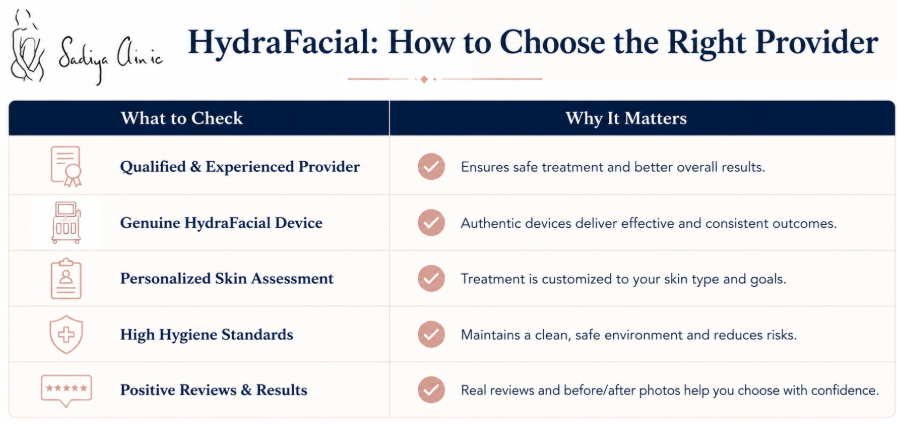
Choosing the right provider takes more than a quick online search. Look for a clinic with experienced professionals who understand different skin types and offer personalized care. Also, take time to read patient reviews and ask about the treatment process. These simple steps can help you feel confident and achieve healthy, glowing skin.

Keep these important points in mind before making your decision:

  • Check Professional Training: Choose a provider with proper training and experience in HydraFacial treatments.
  • Read Patient Reviews: Honest reviews can help you understand the quality of care and customer experience.
  • Ask for Before-and-After Photos: Real treatment results can show the provider’s work and consistency.
  • Confirm Genuine HydraFacial Equipment: Make sure the clinic uses authentic HydraFacial technology for safe and effective care.
  • Book a Skin Consultation: A consultation helps the provider understand your skin type and treatment goals.
  • Review Hygiene Standards: Clean/sterilized equipment and a safe environment reduce the risk of skin problems.
  • Discuss Aftercare Advice: Good aftercare guidance helps your skin recover well and maintain results.

These simple checks can help you make a better decision before booking your appointment. As a result, you can avoid disappointment. When you know what to look for, it becomes easier to find a clinic that meets your needs. This approach supports a safe experience and helps you achieve the best possible results.

What Results and Benefits of HydraFacial Can You Expect?

You can expect a brighter complexion, smoother skin, and a more even skin tone after a hydrafacial. The treatment also helps reduce the facial appearance of fine lines and leaves your face feeling refreshed. In addition, regular sessions can support healthier-looking skin and help maintain these improvements over time.

According to Healthline [2], a hydrafacial can improve your skin by making it look brighter, smoother, and more refreshed. It may also help improve skin tone, reduce dryness, and leave your face feeling clean. In addition, many people notice a healthy glow after treatment, especially when they follow a regular skincare routine.

Before HydraFacial what to check and why it matters

What Are the HydraFacial Steps and How Often Should You Get a HydraFacial?

A hydrafacial follows several simple steps to cleanse, refresh, and nourish your skin. Most people benefit from a treatment every four to six weeks, although the ideal schedule depends on your skin type and goals. A qualified provider can recommend the right plan after examining your skin and discussing your concerns.

Cleansing and Exfoliation

The treatment begins by removing makeup, oil, and dead skin cells from the surface. This step prepares your skin for the rest of the procedure. It also creates a clean base so the following stages work more effectively and comfortably.

Gentle Pore Extraction

A special suction device removes dirt, oil, and other impurities from your pores without squeezing the skin. This step helps your skin feel cleaner and supports a clearer, fresher-looking complexion.

Deep Hydration and Serum Infusion

After cleansing, nourishing serums rich in antioxidants, peptides, and hydrating ingredients are applied to the skin. These ingredients help improve moisture levels, support a healthy skin barrier, and leave your complexion looking refreshed and radiant.

Personalized Aftercare Guidance

Before you leave, your provider recommends skincare products and sun protection based on your skin’s needs. Following these instructions can help protect your results and keep your skin looking healthy until your next appointment.

Research also supports regular hydrafacial treatments. A study published in the Journal of Clinical and Aesthetic Dermatology [3], found that people who received hydrafacial treatments over several weeks saw healthier-looking skin and were happy with their results. Therefore, following your provider’s recommended schedule can help you enjoy better and longer-lasting results.

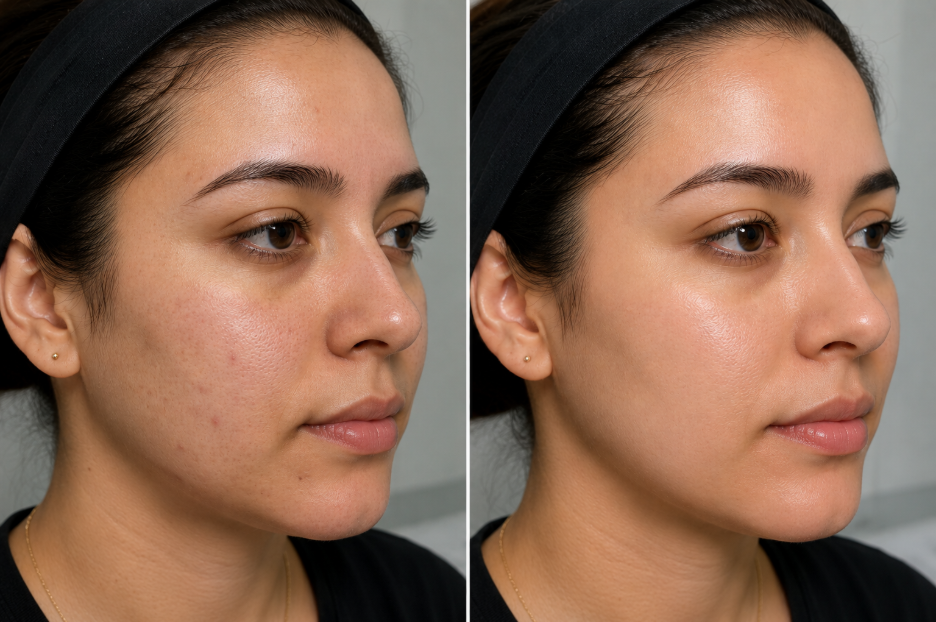
HydraFacial results analysis, comparison of before HydraFacial and after HydraFacial.

Reveal Healthier, Glowing Skin with HydraFacial at Sadiya Clinic

If dull skin, clogged pores, or uneven texture affect your confidence, you do not have to manage these concerns alone. You deserve skincare that matches your needs and supports healthy-looking skin. Choosing the right treatment and provider can help you achieve safe, visible results while protecting your skin over time.

At Sadiya Clinic, you receive a personalized HydraFacial based on your skin type and goals. Our experienced team provides safe, professional care in a comfortable setting. Contact us today to schedule your consultation and begin your journey to healthier, glowing skin. You can also explore our concierge services for eligible aesthetic treatments.

FAQs

Are hydrafacials worth it?

Yes, hydrafacials are worth it if you want fresh, clean, and healthy skin. This treatment gently cleans your skin, adds moisture, and leaves your face looking brighter. Also, it works well for many skin types and has no long recovery time. Regular treatments can help keep your skin looking its best.

What is a hydrafacial treatment?

A hydrafacial treatment is a professional facial that washes your skin, removes dead cells, clears blocked pores, and adds deep moisture. It helps your face look fresh, soft, and bright. Also, the procedure is gentle and suitable for most skin types, and lets you return to your normal activities soon after.

Can sensitive skin benefit from a hydrafacial?

Yes, sensitive skin can benefit from a hydrafacial when a trained provider adjusts the treatment to your skin’s needs. It gently cleanses, hydrates, and refreshes your skin without harsh scrubbing. Also, a skin consultation before your appointment helps ensure the treatment is safe and comfortable for you.

Is there any downtime after a hydrafacial?

No, most people do not need any downtime after a hydrafacial. You can usually return to your normal activities right after your appointment. However, avoid direct sun, heavy exercise, and harsh skincare products for a short time to help your skin stay calm and healthy.

How long do hydrafacial results usually last?

Hydrafacial results usually last about four to six weeks, depending on your skin type and daily skincare routine. Healthy habits can help your skin stay fresh for longer. Also, regular treatments may improve your results over time and help maintain a healthy, glowing appearance.

References

  1. Freedman, B. M. (2008). Hydradermabrasion: An innovative modality for nonablative facial rejuvenation. Journal of Cosmetic Dermatology, 7(4), 275–280.
  1. Cherney, K. (2020, December 9). What is a HydraFacial and how does it work? Healthline.
  1. Storgard, R., Mauricio-Lee, J., Mauricio, T., Zaiac, M., & Karnik, J. (2022). Efficacy and tolerability of HydraFacial clarifying treatment series in the treatment of active acne vulgaris. Journal of Clinical and Aesthetic Dermatology, 15(12), 28–36.

Hydrafacial, The Sadiya Clinic

Mesotherapy in Vienna, VA | Sadiya Clinic

Are you seeking a non-surgical solution to revitalize your skin and refresh your appearance? Mesotherapy treatments have become famous for those seeking to enhance their natural beauty, reduce signs of aging, and improve overall skin health. This unique procedure offers a gentle yet effective alternative to invasive options, using custom blends of vitamins, minerals, and other nourishing ingredients. The Sadiya Clinic is proud to provide mesotherapy, helping patients achieve smoother, more radiant skin in a safe and supportive environment.

What is Mesotherapy?

Mesotherapy is a minimally invasive cosmetic treatment that involves administering a series of mesotherapy injections into the middle layer of the skin, or “mesoderm.” It addresses various cosmetic concerns, such as rejuvenating the face, reducing cellulite, and improving skin texture. The procedure delivers small doses of beneficial compounds directly to target areas, promoting skin health from within.

One of the main benefits of mesotherapy is its versatility. It can suit individual needs, whether your goal is to improve skin firmness, reduce dark spots, or enhance hydration. Mesotherapy can be customized for use on the face, neck, arms, abdomen, and even hair.

Mesotherapy Benefits: Why Consider Mesotherapy?

Mesotherapy offers numerous advantages, making it a popular choice for those interested in non-surgical cosmetic solutions. Let’s look at some of the standout mesotherapy benefits:

  • Enhanced Skin Hydration: Mesotherapy delivers hydrating ingredients directly into the skin, promoting a natural, dewy glow. If you struggle with dryness or dullness, this treatment can effectively boost your skin’s hydration levels.
  • Improved Skin Tone and Texture: This treatment improves skin elasticity and firmness, resulting in smoother, more toned skin. Mesotherapy can also reduce the appearance of fine lines and wrinkles, promoting a youthful look.
  • Targeted Fat Reduction: When applied to the body, mesotherapy can assist in reducing localized fat deposits, making it popular for areas like the abdomen, thighs, and arms. By targeting specific areas, mesotherapy provides a non-surgical option for body contouring.
  • Stimulates Collagen Production: Mesotherapy promotes collagen and elastin production, important for maintaining youthful and resilient skin. This makes it ideal for anyone looking to reduce signs of aging.
  • Reduces the Appearance of Cellulite: Cellulite is a common concern, particularly on the thighs and buttocks. Mesotherapy can help improve the appearance of cellulite by promoting smoother skin texture and reducing excess fat in the treated area.
  • Customizable and Natural Ingredients: The compounds used in mesotherapy typically include a combination of vitamins, minerals, amino acids, and antioxidants. These ingredients are customized based on skin concerns, making it a gentle, tailored approach to skin and body care.

Mesotherapy for Skin Rejuvenation

For many, mesotherapy’s most attractive feature is its effectiveness in enhancing skin health without surgery. Mesotherapy for skin rejuvenation involves injecting active ingredients that improve skin hydration, firmness, and brightness. Patients commonly choose mesotherapy for the face, which can reduce the appearance of fine lines and wrinkles around the eyes, mouth, and forehead.

(H3) How Mesotherapy Enhances Skin Health

The active ingredients used in mesotherapy are carefully selected to nourish the skin at a cellular level. This might include:

  • Hyaluronic Acid: Known for its hydrating properties, hyaluronic acid can plump the skin and reduce the visibility of fine lines.
  • Antioxidants: Ingredients such as Vitamin C and Vitamin E protect the skin from environmental damage, reducing the risk of premature aging.
  • Minerals and Amino Acids: These help to support the skin’s natural functions, promoting a healthier and more resilient complexion.

Non-Surgical Mesotherapy: A Low-Risk Option

Non-surgical mesotherapy appeals to those who want visible improvements without the risks or downtime of traditional surgical procedures. It is suitable for people who prefer a less invasive skin and body care approach. It provides an alternative for patients who may not be a good candidate for surgery due to health conditions or lifestyle.

Mesotherapy injections are delivered with a fine needle and generally cause minimal discomfort. The downtime is usually short, allowing patients to resume normal activities shortly after treatment. Most clients feel slight redness or swelling immediately after, but these effects tend to fade within a few hours.

Addressing Common Questions and Concerns

Mesotherapy is a gentle treatment, but it’s natural to have questions before starting a new skincare procedure. Here are some frequently asked questions about mesotherapy:

How Many Sessions Are Needed?

The number of mesotherapy sessions required varies based on your goals. Some patients see results after their first treatment, while others may need more than one session to achieve optimal outcomes. A consultation at The Sadiya Clinic will help determine your ideal treatment plan.

Is Mesotherapy Painful?

Mesotherapy is generally well-tolerated, and many patients report only mild discomfort. The use of fine needles and careful techniques minimize pain. For additional comfort, a topical anesthetic can be applied before the procedure if needed.

Are There Any Side Effects?

Mesotherapy is considered a low-risk treatment. The most common side effects include temporary redness, swelling, or bruising at the injection site, which usually resolves within a day or two. Following post-treatment care instructions can help minimize these effects.

What Results Can I Expect?

Results vary depending on the treatment area and the chosen formulation of ingredients. Facial treatments may result in plumper, more radiant skin, while body treatments can reduce fat deposits and smooth out cellulite. Skin texture and elasticity improvements are typically visible within a few weeks after the initial treatment.

Customizing Your Mesotherapy Treatment at The Sadiya Clinic

At The Sadiya Clinic, mesotherapy treatments are customized to suit individual needs and skin types. The clinic’s professional team works closely with each patient to understand their unique skin goals and concerns.  Mesotherapy’s customization options allow it to address diverse needs, including hydration, firming, and fat reduction. The experienced practitioners at The Sadiya Clinic use high-quality ingredients and safe injection techniques to achieve reliable outcomes. Suppose you’re ready to explore mesotherapy for skin or body. In that case, the skilled professionals at The Sadiya Clinic will guide you through every step, answering questions and helping you achieve your desired results.

Enhance Your Beauty – Schedule Your Mesotherapy Consultation Today

Mesotherapy offers a versatile, minimally invasive option for anyone looking to revitalize their skin or improve their body contour without surgery. The blend of vitamins, minerals, and other rejuvenating compounds provides a natural way to enhance beauty, addressing common concerns like fine lines, cellulite, and skin laxity. At The Sadiya Clinic, patients receive customized mesotherapy treatments tailored to their unique needs, ensuring a safe and comfortable experience with noticeable results.

If you’re interested in experiencing the benefits of mesotherapy for yourself, contact The Sadiya Clinic today. Our dedicated team will happily answer your questions, discuss treatment options, and guide you toward the best path to achieving your beauty goals. Enhance Your Beauty—Schedule your Mesotherapy Consultation Today and discover the confidence that comes with healthier, revitalized skin and body.

Let The Sadiya Clinic help you bring out the best in your skin and achieve the appearance you’ve always desired.

Mesotherapy, The Sadiya Clinic