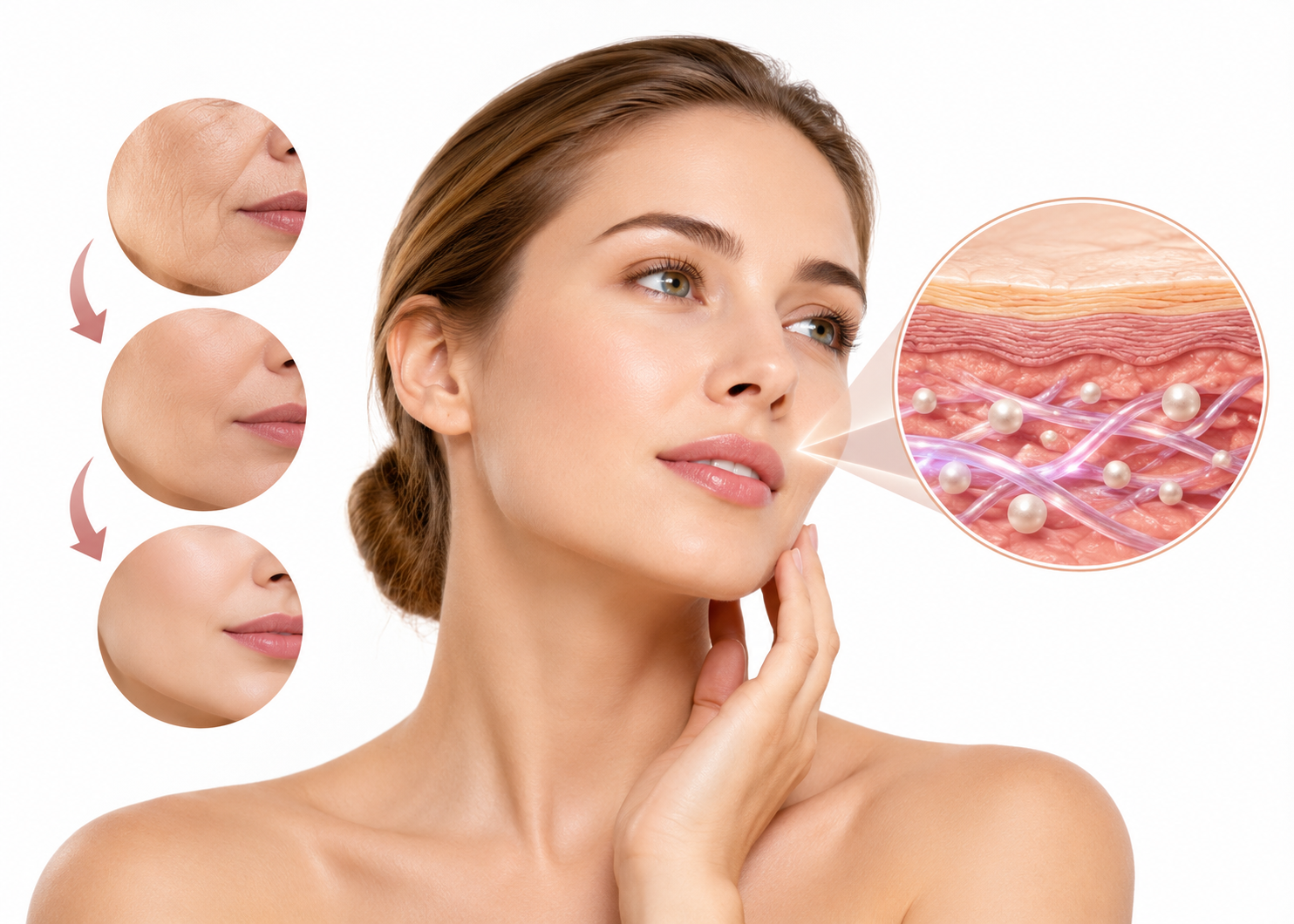
— VIENNA, VA • MINUTES FROM TYSONS CORNER

Specialists in Medical Aesthetics and Hormone Optimization in Northern Virginia

Botox, dermal fillers, PDO thread lifts, laser skin renewal and PRP hair restoration delivered by Dr. Sadiya Naseem, DNP, FNP-BC, a national trainer of injectors across the country.

Author: Aimen Arij

Female doctor discussing bioidentical hormone replacement therapy with a woman in a Vienna clinic.

Women in Vienna may choose bioidentical hormone replacement therapy (BHRT), which uses hormones with the same molecular structure as those naturally produced by the body. This treatment may ease menopause symptoms, such as hot flashes, night sweats, and vaginal dryness. However, medical suitability varies according to individual concerns, health history, and professional assessment.

At Sadiya Clinic, you can receive personalised guidance to understand available treatments, expected benefits, and potential risks. Our team prioritises your comfort through tailored support and informed care. Schedule a consultation today to discuss your health goals. Explore our concierge services for additional assistance designed around your needs.

What Makes Bioidentical Hormone Replacement an Option for Hormonal Changes?

Bioidentical hormone replacement therapy (BHRT) may help people manage symptoms caused by hormonal changes. It involves laboratory-made hormones designed to match the chemical structure of the body’s own hormones. For some women, treatment can ease menopause-related discomfort. However, suitability depends on individual needs, medical history, and professional evaluation.

A 2023 clinical consensus by the American College of Obstetricians and Gynecologists [1], reviewed compounded bioidentical hormone therapy. The authors found insufficient evidence to prove these products are safer or more effective than approved treatments. Therefore, they recommend regulated options when suitable. This guidance highlights the importance of medical advice before choosing hormone therapy.

Which Symptoms Lead Vienna Residents to Explore Hormone Therapy?

Vienna residents may explore hormone therapy when hormonal changes affect their sleep, mood, energy, or daily comfort. Women often seek support during menopause, which may cause hot flashes, night sweats, and vaginal dryness. However, these symptoms can have several causes. A medical assessment helps identify underlying concerns and determine whether hormone therapy is appropriate.

Vienna residents may explore hormone therapy when hormonal changes affect their sleep, mood, energy, or daily comfort. Women often seek support during menopause, while men may investigate symptoms linked to low testosterone. However, these concerns can have several causes. A medical assessment helps identify the underlying issue and determine whether hormone treatment is appropriate.

Several symptoms may encourage people to seek professional advice, including:

  • Hot flashes and night sweats: Sudden warmth and nighttime sweating may interrupt daily activities and rest.
  • Sleep disturbances: Hormonal changes can contribute to difficulty sleeping and daytime tiredness.
  • Mood changes: Irritability, anxiety, or emotional fluctuations may affect personal and professional life.
  • Reduced sexual desire: Changes in libido or intimate comfort may lead people to seek medical guidance.
  • Persistent fatigue: Low energy may prompt an assessment for hormonal or other underlying conditions.

Recognising these signs can help you decide when to seek medical advice. However, experiencing one or more symptoms does not automatically indicate a hormone imbalance. A qualified healthcare professional can review your medical history and recommend appropriate tests when needed. This approach supports informed decisions about treatment options, potential risks, and suitable next steps for your individual health needs.

What Do Patients Consider Before Starting BHRT?

Before starting bioidentical hormone replacement therapy (BHRT), patients should consider their symptoms, medical history, and treatment goals. A qualified doctor can assess possible hormonal changes and recommend suitable tests. Patients should also understand potential side effects, treatment costs, and follow-up needs. This helps them make informed decisions about their health.

A 2024 white paper published in Climacteric [2], reviewed key decisions surrounding menopausal hormone therapy. It discussed treatment timing, hormone types, dosage, and potential health risks. The authors emphasised individual needs when choosing suitable care. Therefore, patients should discuss their symptoms, medical history, and treatment goals with a qualified healthcare professional before starting therapy.
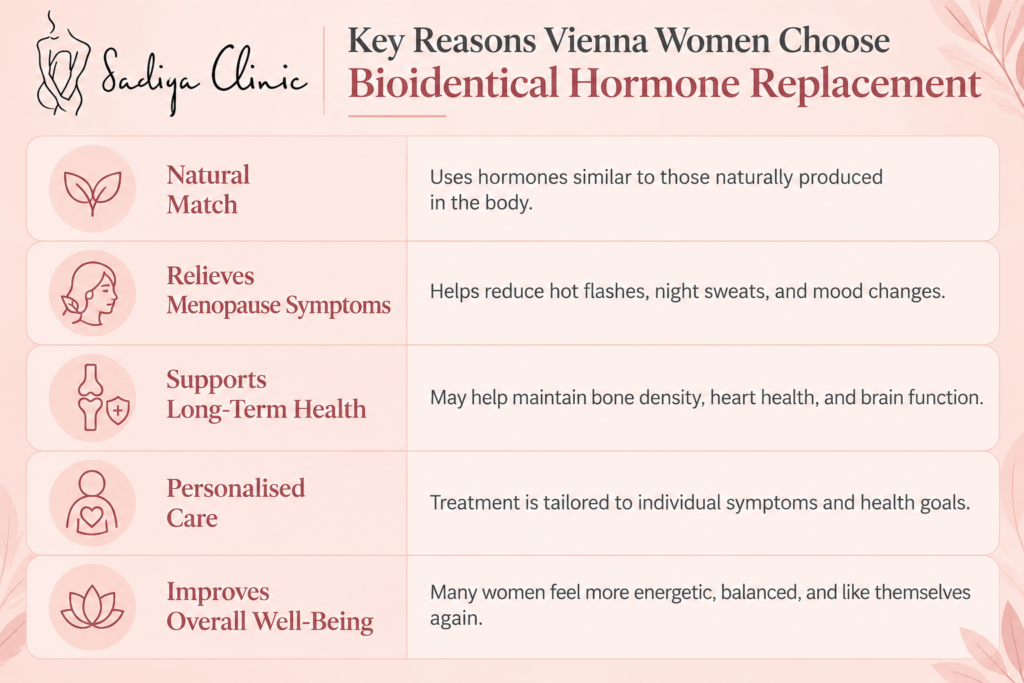
Five reasons women in Vienna choose bioidentical hormone replacement therapy, including menopause symptom relief, personalised treatment, and improved well-being.

How Can Personalised Hormone Treatment Support Everyday Well-Being?

Personalised hormone treatment may improve everyday health by addressing symptoms linked to hormonal changes. For eligible women, menopausal hormone therapy can ease hot flashes, night sweats, and vaginal discomfort. However, results vary depending on individual needs and medical history. A qualified healthcare professional can assess symptoms, discuss potential benefits and risks, and recommend suitable treatment options.

Better Sleep and Daily Comfort

Hormone therapy may reduce night sweats and other symptoms that interrupt rest. As a result, some women may experience better sleep and greater comfort during everyday activities.

Improved Menopause Symptom Management

For suitable candidates, menopausal hormone therapy can reduce hot flashes and vaginal dryness. However, the choice of treatment depends on symptom severity, medical history, and personal preferences.

Support for Sexual Health

Hormonal changes can affect sexual desire and intimate comfort. A healthcare professional can assess possible causes and discuss suitable treatments, including hormonal and non-hormonal options when appropriate.

Individualised Care and Monitoring

Personalised treatment considers your symptoms, health history, and treatment goals. Regular reviews help clinicians assess progress, monitor side effects, and adjust care when necessary.

A 2022 position statement by The North American Menopause Society [3], reviewed the benefits and risks of menopausal hormone therapy. It highlighted relief from hot flashes and other menopause symptoms. However, treatment suitability depends on age, medical history, and individual needs. Therefore, healthcare professionals should tailor care and regularly review outcomes to support patient health.

Start Your BHRT Consultation at Sadiya Clinic

Hormonal changes can disrupt your sleep, energy, mood, and intimate health. These symptoms may affect your daily routine and overall quality of life. Finding reliable information about hormone therapy can also feel overwhelming. Without proper guidance, understanding your treatment options, potential risks, and suitable care can become challenging.

At Sadiya Clinic, you can discuss your symptoms and explore personalised hormone treatment options with a qualified healthcare professional. Our approach focuses on understanding your concerns, reviewing your medical history, and explaining potential benefits and risks. Contact us today at sadiya@sadiyaclinic.com to discuss your concerns and take the next step towards informed hormone care.

FAQs

What affects the cost of hormone therapy in Vienna?

The cost of hormone therapy in Vienna depends on the treatment type, consultation fees, and prescribed medication. Additional expenses may include laboratory tests and follow-up visits. Moreover, prices vary between clinics and pharmacies. Ask your healthcare provider for a clear cost estimate before starting treatment.

Which menopause symptoms may improve with hormone therapy?

Hormone therapy may ease common menopause-related discomforts, such as sudden heat, nighttime sweating, and vaginal dryness. It can also support better rest when nighttime disturbances interrupt sleep. However, outcomes differ among individuals. A qualified doctor can review your health history, concerns, and available treatments before recommending suitable care.

Are bioidentical hormones the same as natural hormones?

Yes, bioidentical hormones have the same chemical structure as hormones produced naturally by the human body. However, this does not mean they come from natural sources. Manufacturers can produce them from plant-derived ingredients. Their safety depends on the specific product, dosage, and medical supervision.

Where can you get hormone therapy in Austria?

You can get hormone therapy in Austria through qualified doctors, gynaecologists, and endocrinologists. First, book a consultation to discuss your symptoms and medical history. Your doctor may recommend tests before suggesting treatment. In Vienna, choose a licensed healthcare provider who explains treatment options, potential risks, and follow-up care.

Are bioidentical hormone replacement creams better than pills or patches?

No, bioidentical hormone creams are not always better than pills or patches. Each option has different benefits and risks. For example, skin creams may offer convenient application, while patches provide steady hormone delivery. However, the best choice depends on the hormone, symptoms, medical history, and a doctor’s advice.

About the Author

Dr. Aimen Arij, Pharm.D.

Dr. Aimen Arij, Pharm.D., is a licensed Clinical Pharmacist with over 6 years of experience in clinical and pharmaceutical practice. She has served as a Medical Science Liaison Executive for a multinational pharmaceutical company and has extensive experience working with international telepharmacy services. Her professional interests include medication safety, patient education, and translating clinical research into accessible, evidence-based health content.

Medically Reviewed By

Dr. Sadiya Naseem, DNP, FNP-BC

Dr. Sadiya Naseem, DNP, FNP-BC, is a board-certified Family Nurse Practitioner and the founder of Sadiya Clinic in Vienna, VA. She is a national injector trainer known for her ultrasound-guided approach to aesthetic treatments and her focus on safe, natural-looking results.

References

  1. American College of Obstetricians and Gynecologists’ Committee on Clinical Consensus–Gynecology. (2023). Compounded bioidentical menopausal hormone therapy: ACOG clinical consensus No. 6. Obstetrics & Gynecology, 142(5), 1266–1273.
  2. Panay, N., Ang, S. B., Cheshire, R., Goldstein, S. R., Maki, P., & Nappi, R. E. (2024). Menopause and MHT in 2024: Addressing the key controversies—An International Menopause Society white paper. Climacteric, 27(5), 441–457. 
  3. The 2022 Hormone Therapy Position Statement of The North American Menopause Society Advisory Panel. (2022). The 2022 hormone therapy position statement of The North American Menopause Society. Menopause, 29(7), 767–794. 

BHRT, Bioidentical hormone replacement therapy, Hormone Replacement, Hormone Therapy, The Sadiya Clinic, VA, Vienna
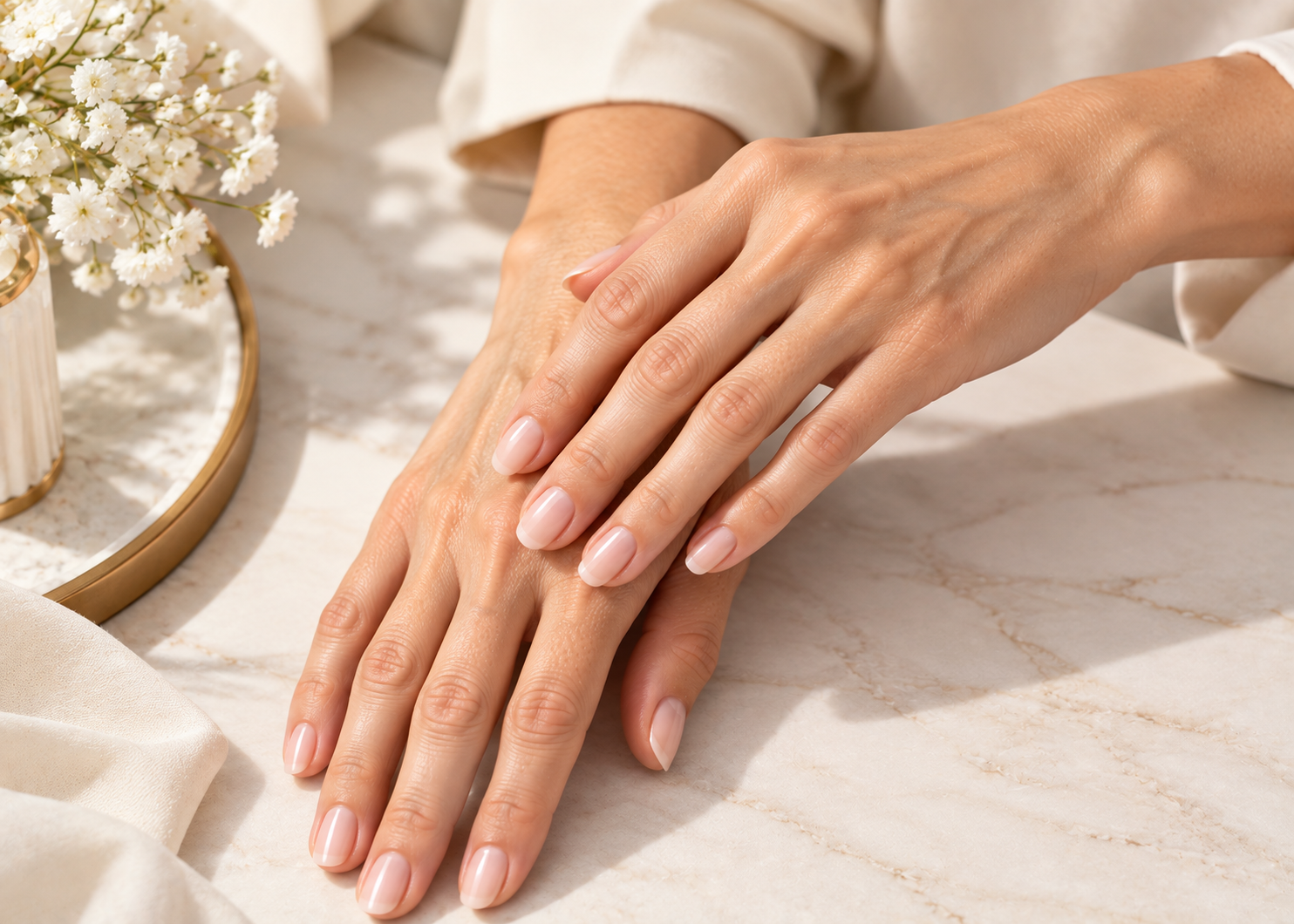
Radiesse for Hands: How Hand Rejuvenation Works

Radiesse for Hands at Sadiya Clinic Vienna VA

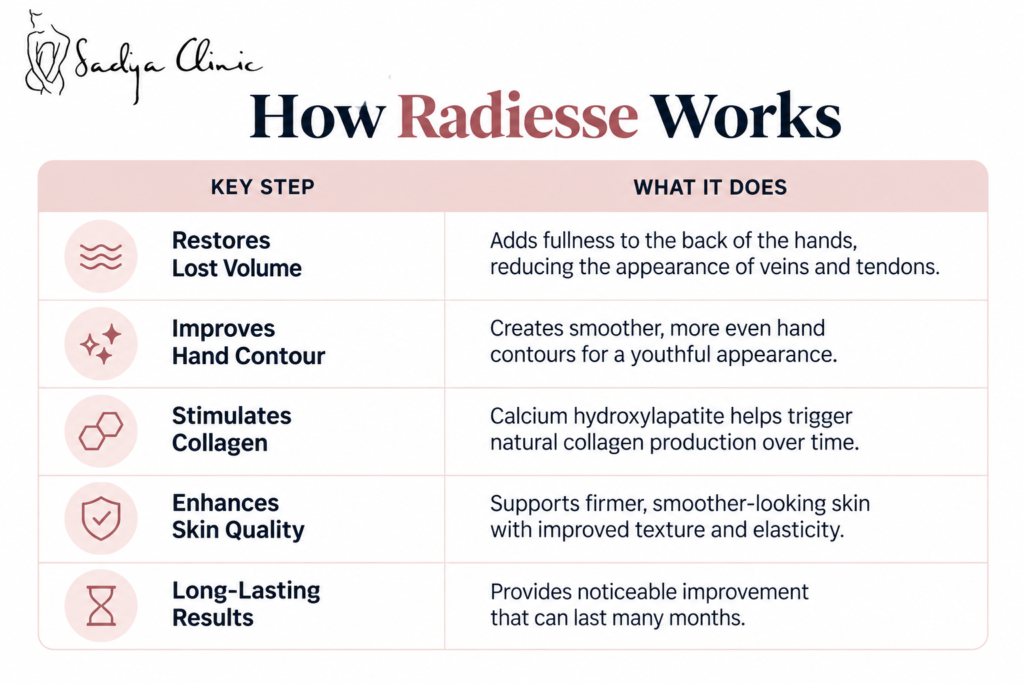
Radiesse for hands restores lost volume and creates a smoother, more youthful appearance. The treatment uses calcium hydroxylapatite to support areas affected by age-related changes. As volume decreases, veins, tendons, and bones can become more noticeable. Radiesse helps soften this appearance while supporting skin quality. Results can vary based on anatomy, skin condition, and treatment goals.

A personalized consultation helps determine whether this treatment suits your needs. At Sadiya Clinic, you receive individualized guidance based on your concerns, anatomy, and aesthetic goals. Our concierge services offer a comfortable, discreet experience with attentive support throughout your visit. Schedule a consultation today to discuss Radiesse for hands and explore a treatment plan designed around your needs.

What Causes the Hands to Look Older?

Aging hands often result from volume loss, thinner skin, wrinkles, and increased visibility of veins and tendons. As natural fat decreases, the skin loses some of its support. Sun exposure can also affect texture and pigmentation. Together, these changes make the dorsal hands appear thinner, more creased, and less youthful over time.

According to the Journal of Plastic, Reconstructive & Aesthetic Surgery (2008) [1] study, 143 volunteers were assessed to examine age-related changes in hand appearance. Researchers observed greater dorsal vein visibility, increased age spots, and more pronounced wrinkling across older participants. These findings highlight how changes in skin and underlying tissues can gradually make hands appear older.

How Does Treatment Restore a Fuller Hand Appearance?

Radiesse restores a fuller hand appearance by replacing lost volume beneath the skin. It contains calcium hydroxylapatite, which provides immediate structural support. Over time, it may also encourage collagen production. This process can soften visible veins, tendons, and bony areas. As a result, the hands may look smoother, balanced, and naturally refreshed.

Here are the main ways treatment improves hand appearance:

  • Restores Lost Volume: Replaces some cushioning that decreases with age.
  • Softens Visible Structures: Makes prominent veins, tendons, and bones less noticeable.
  • Supports Skin Quality: May encourage collagen formation for smoother-looking skin.
  • Improves Hand Contours: Adds subtle volume while maintaining natural proportions.
  • Creates Gradual Refinement: Results can develop further as collagen support increases.

Treatment addresses visible changes caused by age-related volume loss. The amount required depends on individual anatomy and treatment goals. A qualified provider carefully evaluates the hands before treatment. This helps identify suitable areas and determine appropriate product amounts. Proper planning also supports balanced, natural-looking results without creating excessive fullness.

Watch how Radiesse is placed beneath the skin to restore volume and soften visible veins and tendons in the hands.

What Does Research Say About Calcium Hydroxylapatite for Hand Rejuvenation?

According to a Dermatologic Surgery (2018) [2] study, 114 participants received calcium hydroxylapatite treatment for dorsal hand volume loss. Researchers found meaningful improvement in hand appearance after treatment. These results remained evident during follow-up. The findings suggest CaHA can effectively restore lost volume and improve visible aging changes while maintaining normal hand function.

How Radiesse Works for Hands

What Should You Know Before Choosing Radiesse for Hands?

Radiesse for hands can improve age-related volume loss across the dorsal area. However, treatment needs careful planning because this region contains delicate structures. A qualified injector should examine your skin, veins, tendons, and tissue depth. Your aesthetic goals also matter. This assessment helps determine suitable placement, product quantity, technique, and realistic expectations before treatment begins.

Evaluate Hand Structure

The backs of the hands contain visible vessels, tendons, and other important anatomy. A thorough examination helps identify suitable areas while reducing unnecessary pressure on sensitive structures during treatment.

Define Your Desired Outcome

Some patients seek subtle fullness, while others want softer-looking veins or improved texture. Clear goals allow your provider to develop an approach that matches your preferred appearance.

Review Skin Condition

Thin, loose, or crepey skin can influence treatment results. Your practitioner may assess elasticity, texture, pigmentation, and existing tissue volume before recommending an appropriate rejuvenation strategy.

Understand Potential Reactions

Temporary redness, swelling, tenderness, or bruising can occur following injections. Knowing these possibilities helps you prepare for recovery. Your provider can also explain warning signs requiring additional medical attention.

According to an Aesthetic Plastic Surgery (2022) [3] systematic review, researchers evaluated different approaches for hand rejuvenation. Calcium hydroxylapatite was among the injectable treatments studied. Reported outcomes were favorable, while adverse effects were generally temporary and manageable. These findings support careful treatment planning and appropriate technique when addressing age-related changes affecting the hands.

Book Your Radiesse for Hands Consultation at Sadiya Clinic

You may notice thinner skin, visible veins, or prominent tendons across your hands. These changes can make your hands appear older. You may also feel uncomfortable showing them in social settings. Lost volume can affect your confidence during everyday activities. If these concerns bother you, personalized rejuvenation may help create a smoother, fuller appearance while supporting your natural look today.

At Sadiya Clinic, Radiesse for hands can help restore lost volume and improve visible signs of aging. Your provider will assess your anatomy and aesthetic goals before treatment. Contact us today at sadiya@sadiyaclinic.com to learn more about your options and receive personalized guidance for your hand rejuvenation needs.

FAQs

How much does Radiesse for hands cost?

The cost of Radiesse for hands varies based on several factors. These include the amount of product required, treatment areas, provider expertise, and location. Therefore, an exact price requires an individual assessment. During your consultation, your provider can evaluate your hands and explain the recommended treatment plan and expected costs.

How many Radiesse treatments are needed for hands?

The number of Radiesse treatments needed depends on your hand volume loss and desired results. Many patients may see noticeable improvement after one session. However, some may need additional treatment for further correction. Your provider can assess your hands and recommend a suitable plan based on anatomy, skin quality, and treatment goals.

When will I see results after Radiesse hand injections?

You may notice initial results immediately after Radiesse hand injections, while further improvement develops gradually. The treatment adds volume beneath the skin, helping create a smoother appearance. Over time, collagen support may enhance skin quality. However, results vary between individuals based on treatment technique, anatomy, and the amount of volume loss.

What should I avoid after Radiesse injections in the hands?

After Radiesse injections, avoid strenuous hand activity, excessive pressure, and rubbing the treated area. Also, follow your provider’s specific aftercare instructions. For the first few days, gentle hand use is usually preferable. If swelling or tenderness occurs, allow the area to recover before resuming demanding activities or cosmetic treatments.

Can Radiesse make hand veins less visible?

Yes, Radiesse can make hand veins appear less visible by restoring lost volume beneath the skin. As the treated area becomes fuller, prominent veins may look softer. However, results vary between individuals. Therefore, a qualified provider should assess your skin, anatomy, and degree of volume loss before recommending treatment.

About the Author

Dr. Aimen Arij, Pharm.D.

Dr. Aimen Arij, Pharm.D., is a licensed Clinical Pharmacist with over 6 years of experience in clinical and pharmaceutical practice. She has served as a Medical Science Liaison Executive for a multinational pharmaceutical company and has extensive experience working with international telepharmacy services. Her professional interests include medication safety, patient education, and translating clinical research into accessible, evidence-based health content.

Medically Reviewed By

Dr. Sadiya Naseem, DNP, FNP-BC

Dr. Sadiya Naseem, DNP, FNP-BC, is a board-certified Family Nurse Practitioner and the founder of Sadiya Clinic in Vienna, VA. She is a national injector trainer known for her ultrasound-guided approach to aesthetic treatments and her focus on safe, natural-looking results.

References

  1. Jakubietz, R. G., Kloss, D. F., Gruenert, J. G., & Jakubietz, M. G. (2008). The ageing hand: A study to evaluate the chronological ageing process of the hand. Journal of Plastic, Reconstructive & Aesthetic Surgery, 61(6), 681–686.
  2. Goldman, M. P., Moradi, A., Gold, M. H., Friedmann, D. P., Alizadeh, K., Adelglass, J. M., & Katz, B. E. (2018). Calcium hydroxylapatite dermal filler for treatment of dorsal hand volume loss: Results from a 12-month, multicenter, randomized, blinded trial. Dermatologic Surgery, 44(1), 75–83.
  3. McGuire, C., Boudreau, C., & Tang, D. (2022). Hand rejuvenation: A systematic review of techniques, outcomes, and complications. Aesthetic Plastic Surgery, 46(1), 437–449.

Calcium Hydroxylapatite for Hand Rejuvenation, Hand Rejuvenation, Radiesse, Radiesse for hands, Radiesse treatment, Sadiya Clinic, VA, Vienna

Cheek Fillers and Cheek Augmentation with Sadiya Clinic

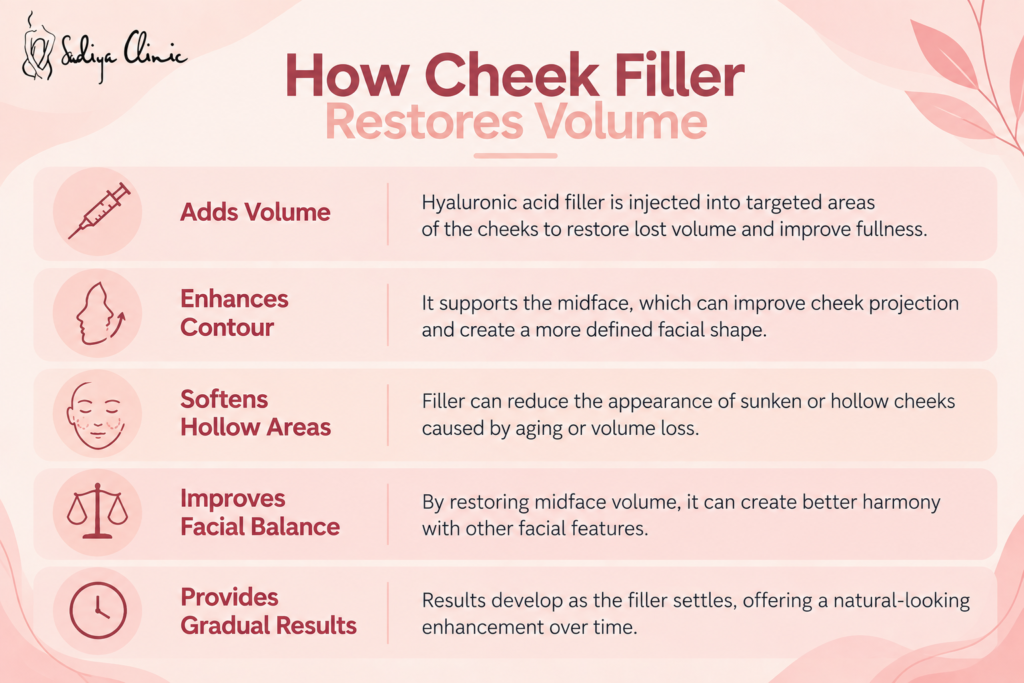
Cheek filler restores facial volume by adding hyaluronic acid to selected areas of the midface. It can enhance cheek projection and improve facial balance. The treatment may also soften hollow areas caused by volume loss. However, results depend on anatomy, product choice, injection technique, and treatment goals. Careful planning supports subtle, natural-looking enhancement.

For personalized cheek augmentation, At Sadiya Clinic, treatments are planned around your facial features and aesthetic goals. The team focuses on balanced, natural-looking results. Schedule a consultation today to explore suitable options for your needs. Concierge services are also available for a comfortable and personalized treatment experience.

How Does Cheek Filler Restore Lost Facial Volume?

Cheek filler restores lost facial volume by adding a gel beneath targeted areas of the skin. It can improve fullness and midface contour. Hyaluronic acid fillers are commonly used for this purpose. Careful placement helps create smoother transitions and balanced proportions. The amount needed depends on facial structure, existing volume, and desired results.

A June 2024 study in the Journal of Cosmetic Dermatology [1], examined hyaluronic acid filler for midface volume deficiency. Researchers assessed changes in cheek fullness and facial contour. The findings showed meaningful improvement after treatment. Many participants maintained visible correction during follow-up. Therefore, the research supports filler as an option for restoring lost midface volume.

What Changes Can Cheek Augmentation Create?

Cheek augmentation can restore lost fullness and improve facial balance. It may add subtle projection to flatter cheeks. The treatment can also soften hollow areas and define the midface. However, results depend on your facial structure, treatment plan, and chosen filler. A skilled provider aims for balanced enhancement rather than excessive volume.

Depending on your needs, possible changes include:

  • Restored Fullness: Replaces some volume lost through aging or natural facial structure.
  • Improved Definition: Creates clearer cheek contours without changing your overall appearance.
  • Softer Hollows: Reduces the appearance of sunken areas around the midface.
  • Better Facial Balance: Helps cheeks complement the eyes, nose, lips, and jawline.
  • Enhanced Projection: Adds controlled forward fullness to naturally flatter cheekbones.
  • Smoother Transitions: Creates a more gradual appearance between nearby facial areas.

Cheek augmentation focuses on proportion rather than simply adding more volume. The desired effect should suit your existing features. Therefore, treatment planning is important before injections begin. Your provider can assess facial symmetry, skin quality, and volume needs. This helps create a result that looks subtle, refreshed, and appropriate for your individual appearance.

What Does Research Say About Cheek Filler Results?

Research suggests that cheek filler can provide measurable improvement in midface fullness. Results can remain visible for months after treatment. However, outcomes vary between individuals. Factors such as filler type, placement, facial anatomy, and treatment amount can influence the final appearance and duration of correction.

A November 2024 study in the Journal of Cosmetic Dermatology [2], examined hyaluronic acid fillers for cheek augmentation. Researchers assessed changes in volume, appearance, and patient satisfaction. The findings showed noticeable improvement following treatment. Additionally, participants reported high satisfaction with their outcomes. Most treatment-related effects were mild, supporting HA fillers as an option for enhancing cheek contours.

How Cheek Filler Restores Vol

Which Factors Affect Your Cheek Filler Results?

Several factors affect cheek filler results, including facial structure, product choice, injection technique, treatment amount, and aftercare. Your natural cheek shape also influences the final appearance. Therefore, treatment should be planned around your features and goals. A qualified provider can assess these details before treatment. This approach helps create balanced and natural-looking enhancement.

Facial Structure

Your bone shape and existing volume affect filler placement. Therefore, your provider considers facial proportions before choosing suitable injection points for balanced results.

Filler Selection

Different products have varying firmness, flexibility, and longevity. Your provider selects an appropriate option based on the desired contour, treatment area, and facial characteristics.

Injection Technique

Accurate placement influences symmetry, contour, and overall appearance. Proper technique also requires knowledge of facial anatomy and appropriate injection depth.

Treatment Amount

Using the right volume helps prevent excessive fullness. Your provider may use a conservative amount first. Further enhancement can be considered later if needed.

Aftercare

Following post-treatment instructions can support recovery. Avoiding pressure, excessive heat, and strenuous activity may help reduce temporary swelling and discomfort.

A 2017 study in the Journal of Drugs in Dermatology [3], examined midface enhancement using hyaluronic acid. Researchers focused on injection technique, product placement, and safety. The findings showed improved facial volume after treatment. Therefore, careful product selection and accurate placement can influence outcomes. These factors may also support balanced enhancement and reduce treatment-related concerns.

Enhance Your Cheeks With Sadiya Clinic

You may notice flatter cheeks, reduced fullness, or facial contours that appear less defined over time. These changes can affect how balanced your features look. You may also want subtle enhancement without creating an overly filled appearance. Choosing the right treatment and volume can feel difficult without personalized professional guidance.

At Sadiya Clinic, your cheek augmentation plan is tailored to your facial structure, goals, and desired level of enhancement. The team focuses on balanced, natural-looking results with careful treatment planning. Contact us today to discuss your options. For more information, email sadiya@sadiyaclinic.com.

FAQs

How much does cheek filler cost?

Cheek filler costs vary depending on the filler type, amount needed, and clinic. Your provider can assess your facial structure and treatment goals. During consultation, you can receive a personalized estimate. The final price depends on your specific needs, desired results, and recommended treatment plan.

How long does cheek filler swelling last?

Cheek filler swelling usually improves within a few days. Mild puffiness may last up to one or two weeks. However, recovery varies between individuals. During this period, avoid touching or pressing the treated area. Follow your provider’s aftercare instructions, especially if swelling becomes severe, painful, or continues worsening.

Can I sleep on my side after cheek filler?

It is better to avoid side sleeping immediately after cheek filler. Pressure may increase swelling or discomfort. Try sleeping on your back with your head slightly elevated for the first night. After that, follow your provider’s advice. Your recommended recovery period may vary based on the treatment and your individual response.

When can I wear makeup after cheek filler?

You can usually wear makeup after cheek filler once the skin has settled. Many providers recommend waiting at least 12 hours. This helps reduce irritation and pressure around injection sites. Meanwhile, keep the area clean and avoid rubbing your cheeks. Follow your provider’s specific aftercare advice for the safest recovery.

Can cheek filler be dissolved if I do not like the results?

Yes, hyaluronic acid cheek filler can usually be dissolved if you dislike the result. A healthcare professional uses hyaluronidase to break down the filler. However, the outcome can vary. Therefore, only a qualified injector should perform this treatment. They will assess your cheeks first and recommend the safest approach for correction.

About the Author

Dr. Aimen Arij, Pharm.D.

Dr. Aimen Arij, Pharm.D., is a licensed Clinical Pharmacist with over 6 years of experience in clinical and pharmaceutical practice. She has served as a Medical Science Liaison Executive for a multinational pharmaceutical company and has extensive experience working with international telepharmacy services. Her professional interests include medication safety, patient education, and translating clinical research into accessible, evidence-based health content.

Medically Reviewed By

Dr. Sadiya Naseem, DNP, FNP-BC

Dr. Sadiya Naseem, DNP, FNP-BC, is a board-certified Family Nurse Practitioner and the founder of Sadiya Clinic in Vienna, VA. She is a national injector trainer known for her ultrasound-guided approach to aesthetic treatments and her focus on safe, natural-looking results.

References

  1. Ren, R., Xue, H., Gao, Z., Wang, H., Xia, X., Qu, Y., Bromée, T., Almegård, B., & Zhao, H. (2024). Restoring long-lasting midface volume in the Asian face with a hyaluronic acid filler: A randomized controlled multicenter study. Journal of Cosmetic Dermatology, 23(6), 1985–1991.
  2. Nikolis, A., Bertucci, V., Humphrey, S., Beleznay, K., Bernstein, S., & Prygova, I. (2024). Effectiveness of hyaluronic acid fillers for cheek augmentation using a treatment guide to choose between products. Journal of Cosmetic Dermatology, 23(11), 3525–3531.
  3. Prager, W., Agsten, K., Kravtsov, M., & Kerscher, M. (2017). Mid-face volumization with hyaluronic acid: Injection technique and safety aspects from a controlled, randomized, double-blind clinical study. Journal of Drugs in Dermatology, 16(4), 351–357.

cheek augmentation, cheek contouring, cheek filler, cheek fillers, Dermal Filler, facial volume loss, filler aftercare, hyaluronic acid filler, midface volume, non-surgical cheek lift

Can You Get Botox and Filler on the Same Day?

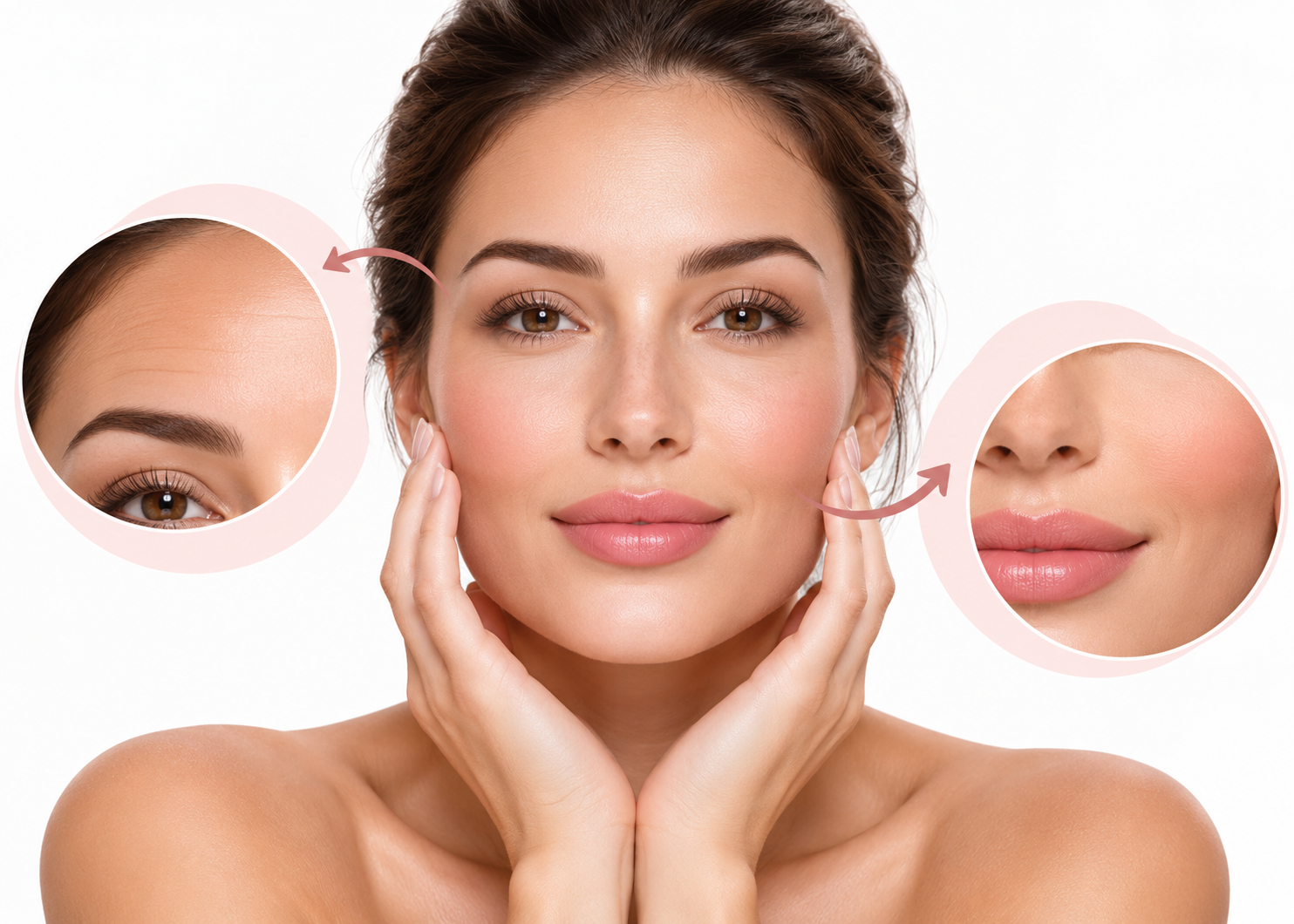
Woman with smooth facial features and highlighted areas representing combined Botox and dermal filler treatment.

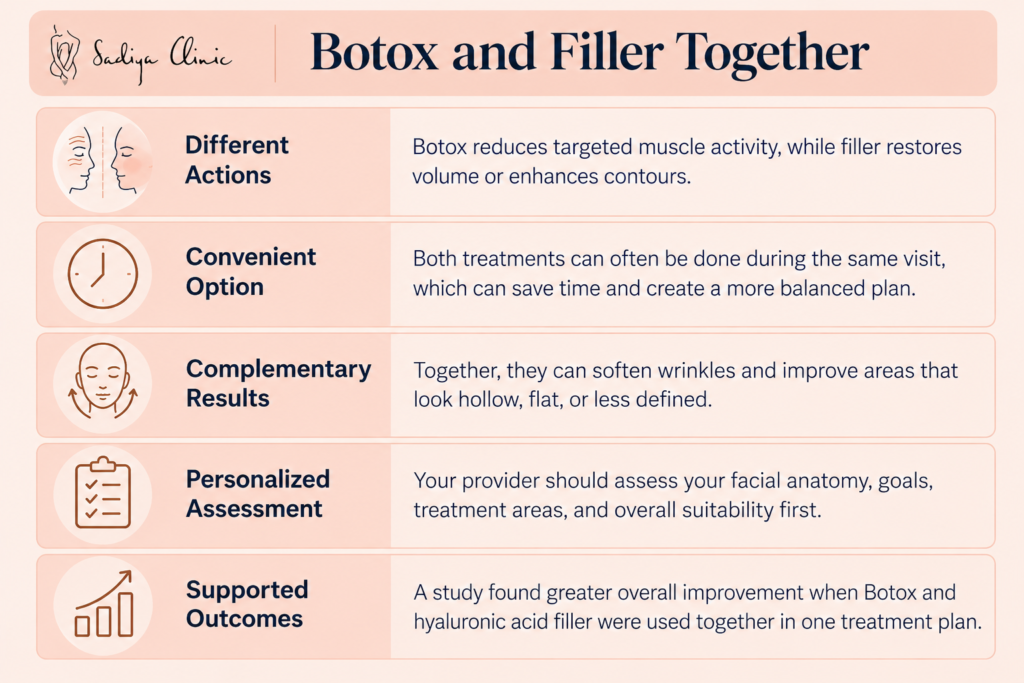
Yes, you can often get Botox and filler on the same day. Both treatments target different facial concerns. Botox reduces targeted muscle activity, while filler restores volume or enhances contours. Combining them can save time and create a balanced treatment plan. However, your provider should first assess your facial anatomy, goals, treatment areas, and overall suitability.

Research supports combining Botox and hyaluronic acid filler during one treatment plan. A randomized study found greater overall improvement when both treatments were used together. At Sadiya Clinic, your treatment plan is personalized around your facial features and aesthetic goals. Our concierge services provide individualized guidance throughout your aesthetic journey. Schedule a consultation today and take the next step toward naturally balanced results at Sadiya Clinic.

How Do Botox and Fillers Complement Each Other?

Botox and fillers complement each other by addressing different signs of facial aging. Botox reduces muscle activity that causes dynamic lines. Fillers restore lost volume and enhance facial structure. Together, they can create balanced results. This combination may soften wrinkles while improving areas that look hollow, flat, or less defined.

A 2010 study in Dermatologic Surgery [1], examined Botox and hyaluronic acid filler used separately and together. The findings showed greater overall improvement with combined treatment. Both options were well tolerated. Therefore, combining these treatments may address multiple concerns during one treatment plan. Botox targets muscle movement, while filler improves volume and facial definition.

What Happens During a Botox and Filler Appointment?

A Botox and filler appointment begins with a facial assessment and treatment discussion. Your provider reviews your concerns, goals, and medical history. Next, they examine facial movement, volume, and skin balance. Based on these findings, they create a personalized plan. They may recommend one treatment or combine both for your desired outcome.

During the appointment, your provider may focus on:

  • Facial Assessment: They examine muscle movement, facial proportions, and areas with volume loss.
  • Treatment Planning: They select suitable products, injection sites, and amounts based on your needs.
  • Botox Treatment: Small injections target specific muscles linked to dynamic facial lines.
  • Filler Treatment: Carefully placed filler can restore volume or enhance facial contours.
  • Aftercare Guidance: You receive instructions to support healing and reduce temporary irritation.

After treatment, mild redness, tenderness, swelling, or bruising may occur. These effects usually improve as the treated areas settle. Results also develop at different speeds. Filler can provide visible changes sooner, while Botox takes several days to show its full effect. Your provider may schedule follow-up care when needed.

Should You Get Botox or Filler First?

There is no fixed order for Botox or filler. Your provider may choose either treatment based on your facial needs. The choice depends on treatment areas, goals, products, and injection technique. Sometimes, both procedures can be completed during one visit. A personalized assessment helps determine the safest and most suitable sequence for your desired results.

A 2016 review in Dermatologic Surgery [2], discussed combining botulinum toxin with dermal fillers for facial rejuvenation. The authors noted that treatment order can vary according to the area and desired outcome. Both procedures may also be performed during one session. However, individual planning remains important because facial anatomy, product choice, and treatment goals differ between patients. 

Botox and filler treatment comparison showing their complementary roles in facial rejuvenation and balanced results.

What Is Botox and Filler Recovery Like?

manageable, with most people experiencing mild, temporary effects. Botox may cause slight redness, tenderness, or small bumps. Fillers can produce swelling, bruising, or sensitivity. These reactions often improve as treated areas settle. Recovery varies based on treatment location, product type, injection technique, and individual healing.

Swelling

Fillers commonly cause temporary swelling around injection sites. The amount can vary between treatment areas and individuals. Swelling may appear more noticeable initially. It usually decreases gradually as the treated tissue settles during recovery.

Bruising

Small bruises may develop after injections, especially around delicate facial areas. Their severity depends on individual sensitivity and treatment location. Most bruising gradually fades naturally without additional intervention.

Tenderness

Mild tenderness can occur after either procedure. The treated area may feel sensitive for a short period. Avoid unnecessary pressure or manipulation unless your provider recommends specific care.

Activity

Your provider may suggest limiting strenuous exercise, heat exposure, or pressure after treatment. These precautions can help reduce irritation. Always follow the specific aftercare instructions provided for your procedure.

A 2024 systematic review in Aesthetic Plastic Surgery [3], examined adverse events linked to hyaluronic acid fillers. The authors found that most reactions were temporary and occurred near injection sites. Common effects included swelling, bruising, redness, and tenderness. These findings help explain typical filler recovery. However, individual experiences can vary depending on treatment areas, products, and personal healing.

Achieve Your Ideal Look With Botox and Filler at Sadiya Clinic

You may notice wrinkles, reduced facial volume, or features that no longer feel balanced. You may also feel unsure about choosing Botox, filler, or both. Finding the right option can feel confusing, especially when you want natural-looking results. You deserve a treatment plan that considers your concerns, facial features, preferences, and desired outcome without making you look overdone.

At Sadiya Clinic, your treatment plan is tailored to your facial features and aesthetic goals. Our experienced team can help you understand whether Botox, filler, or both may suit your needs. We focus on balanced results and personalized care throughout your treatment. Contact us today at sadiya@sadiyaclinic.com to discuss your options and schedule a consultation.

FAQs

How long should you wait between Botox and filler in Vienna, VA?

There is no fixed waiting period between Botox and filler in Vienna, VA. Some patients can receive both during one appointment. Others may benefit from separate visits. The timing depends on treatment areas, products, swelling, and your provider’s plan. A personalized assessment helps determine the most suitable schedule.

Can Botox and filler be done in the same area?

Yes, Botox and filler can sometimes be used in the same facial area. Each treatment addresses different concerns. Botox relaxes targeted muscles, while filler adds volume or structure. Your injector will assess your anatomy and treatment goals first. Then, they can decide whether combining both approaches is appropriate.

Will getting Botox and filler together cause more swelling?

Getting Botox and filler together may cause more temporary swelling than Botox alone. Filler commonly causes mild swelling near injection sites. However, the amount varies by treatment area and product. Cold compresses may help reduce discomfort. Your provider can also explain suitable aftercare for a smoother recovery.

How soon can you see results after Botox and filler?

You can notice filler results immediately, while Botox usually takes several days to develop. However, swelling may temporarily affect your appearance. As it settles, the treated areas become easier to evaluate. Most people see clearer Botox effects within about two weeks. Your final appearance depends on the products and areas treated.

Where can you get Botox and filler in Northern Virginia?

Botox and filler are available at qualified aesthetic clinics across Northern Virginia, including Vienna, VA. Choosing an experienced medical provider is important for safe, balanced results. During a consultation, your injector can assess your facial features and goals. They can then recommend suitable products, treatment areas, and timing for your needs.

About the Author

Dr. Aimen Arij, Pharm.D.

Dr. Aimen Arij, Pharm.D., is a licensed Clinical Pharmacist with over 6 years of experience in clinical and pharmaceutical practice. She has served as a Medical Science Liaison Executive for a multinational pharmaceutical company and has extensive experience working with international telepharmacy services. Her professional interests include medication safety, patient education, and translating clinical research into accessible, evidence-based health content.

Medically Reviewed By

Dr. Sadiya Naseem, DNP, FNP-BC

Dr. Sadiya Naseem, DNP, FNP-BC, is a board-certified Family Nurse Practitioner and the founder of Sadiya Clinic in Vienna, VA. She is a national injector trainer known for her ultrasound-guided approach to aesthetic treatments and her focus on safe, natural-looking results.

References

  1. Carruthers, A., Carruthers, J., Monheit, G. D., Davis, P. G., & Tardie, G. (2010). Multicenter, randomized, parallel-group study of the safety and effectiveness of onabotulinumtoxinA and hyaluronic acid dermal fillers (24-mg/ml smooth, cohesive gel) alone and in combination for lower facial rejuvenation. Dermatologic Surgery, 36(Suppl. 4), 2121–2134.
  2. Carruthers, J., Burgess, C., Day, D., Fabi, S. G., Goldie, K., Kerscher, M., Nikolis, A., Pavicic, T., Rho, N. K., Rzany, B., Sattler, G., Sattler, S., Seo, K., Werschler, W. P., & Carruthers, A. (2016). Consensus recommendations for combined aesthetic interventions in the face using botulinum toxin, fillers, and energy-based devices. Dermatologic Surgery, 42(5), 586–597.
  3. Kyriazidis, I., Spyropoulou, G. A., Zambacos, G., Tagka, A., Rakhorst, H. A., Gasteratos, K., Berner, J. E., & Mandrekas, A. (2024). Adverse events associated with hyaluronic acid filler injection for non-surgical facial aesthetics: A systematic review of high level of evidence studies. Aesthetic Plastic Surgery, 48(4), 719–741.

botox, Dermal Filler

Sculptra in Vienna, VA: How Does PLLA Work?

Sculptra in Vienna by Dr Sadiya Naseem

By Dr. Aimen Arij, Pharm.D. | Medically reviewed by Dr. Sadiya Naseem, DNP, FNP-BC

Sculptra is an FDA-approved injectable biostimulator that works by using poly-L-lactic acid (PLLA) to support gradual collagen production. Unlike traditional fillers, it does not rely on immediate volume alone. Instead, PLLA encourages your body to build collagen over time. As this process develops, treated areas can appear fuller, firmer, and more refreshed. Results typically develop gradually after treatment.

Choosing the right treatment starts with understanding your facial needs and desired outcome. At Sadiya Clinic, you receive personalized guidance based on your skin, facial structure, and aesthetic preferences. Our concierge services provide a private, comfortable experience with thoughtful support throughout your care. Schedule a consultation today to explore Sculptra in Vienna and create a treatment plan tailored to you.

What Happens to PLLA After It Is Injected?

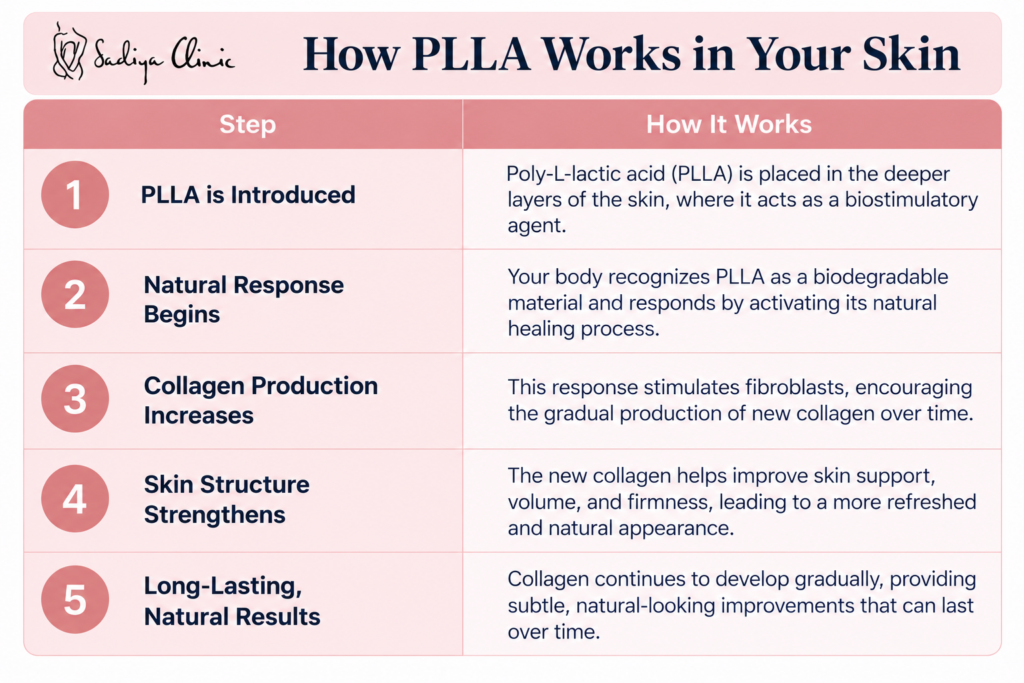
PLLA particles remain within the treated tissue after injection and gradually trigger collagen production. The body recognizes these particles as a biostimulatory material. Fibroblasts become active around the treatment area. Over time, new collagen develops around the particles. This process gradually improves tissue support and facial fullness without relying on immediate volume.

A 2024 study published in the Journal of Drugs in Dermatology [1], examined PLLA’s effects after treatment. Researchers assessed changes through clinical and histological measures. The findings showed improved skin quality and tissue remodeling over time. These results support PLLA’s ability to encourage collagen formation. Therefore, visible improvement develops gradually rather than immediately.

What Changes Can Develop as Collagen Increases?

As collagen increases, treated areas may appear fuller, firmer, and more supported. Skin can also look smoother and more refreshed. These changes develop gradually because the body needs time to build new collagen. Therefore, results usually become more noticeable over several weeks. The overall effect can create subtle improvements without changing your natural facial character.

Over time, several visible improvements may develop:

  • Restored Facial Fullness: Gradual collagen growth can improve areas affected by age-related volume loss.
  • Firmer-Looking Skin: Increased structural support may help skin appear tighter and more resilient.
  • Smoother Texture: Collagen remodeling can contribute to a softer, more even skin surface.
  • Refreshed Appearance: Subtle changes may reduce a tired or hollow facial appearance.
  • Natural-Looking Definition: Progressive improvement can enhance facial contours without creating sudden volume.

These effects can vary according to individual factors and treatment areas. Collagen production also develops at different rates for each person. Therefore, patience is important after treatment. A qualified provider can monitor your progress and determine whether additional sessions may support your desired outcome. This approach helps maintain balanced changes while respecting your existing facial proportions.

Who May Benefit From Collagen Stimulation?

People experiencing gradual facial volume loss, reduced firmness, or early signs of aging may benefit from collagen stimulation. It can suit adults seeking subtle, progressive rejuvenation. However, suitability depends on facial structure, skin condition, medical history, and treatment goals. A qualified provider should assess these factors before recommending an appropriate approach.

A 2019 study published in Dermatologic Surgery [2], evaluated repeated PLLA treatment in adults seeking facial rejuvenation. Researchers reported improvements in skin elasticity, hydration, smoothness, radiance, and overall quality. These findings suggest collagen stimulation may support broader skin improvements. However, individual responses can vary. Therefore, treatment suitability should be determined through a personalized clinical assessment.

How Plla works in your skin

What Can You Expect During a Sculptra Treatment Process?

During a Sculptra treatment, you can expect a personalized assessment, careful preparation, and targeted injections. Your provider first reviews your goals and facial structure. Next, the treatment areas are marked and prepared. PLLA is then placed using an appropriate technique. Afterward, you receive guidance for recovery and follow-up care.

Personalized Facial Assessment

Your provider examines facial structure, volume changes, and skin quality. This assessment helps identify suitable treatment areas. It also supports a balanced plan based on your individual goals.

Treatment Area Preparation

Before injections, the skin is cleansed and prepared carefully. Your provider may use comfort measures when appropriate. Clear preparation helps create a controlled and comfortable treatment experience.

Targeted PLLA Placement

PLLA is injected into selected areas using a technique suited to your anatomy. The placement aims to support gradual collagen development. Treatment remains tailored rather than standardized.

Post-Treatment Guidance

After treatment, your provider explains appropriate aftercare and what changes to expect. Mild swelling, redness, or tenderness can occur. Follow-up guidance helps monitor your progress.

A 2024 study published in the Journal of Cosmetic Dermatology [3], assessed immediate PLLA-SCA reconstitution during facial and body treatments. Researchers reviewed 274 treatment sessions involving 167 patients. The findings showed a favorable safety profile across the observed procedures. Therefore, appropriate preparation and professional administration remain important parts of a controlled treatment experience.

Start Your Personalized Sculptra in Vienna Journey With Sadiya Clinic

You may notice gradual facial volume loss, softer contours, or skin that feels less firm than before. You may want a refreshed appearance without sudden changes. Choosing the right treatment can also feel uncertain. You deserve clear information, realistic expectations, and an approach that respects your natural features.

At Sadiya Clinic, you receive personalized guidance based on your facial structure, concerns, and aesthetic goals. Your provider can discuss Sculptra, explain the treatment process, and create a plan suited to your needs. Contact us today or email sadiya@sadiyaclinic.com to begin your personalized treatment journey.

FAQs

Is Sculptra painful?

Sculptra may cause mild discomfort during treatment, but pain is usually manageable. Your provider can use numbing measures to improve comfort. Some patients notice temporary tenderness, swelling, or sensitivity afterward. Everyone experiences treatment differently. Discuss your pain concerns beforehand so your provider can adjust the approach for greater comfort.

Can Sculptra be used under the eyes?

No, Sculptra is generally not recommended for direct injection into the under-eye area. The skin is thin and requires careful treatment planning. Instead, providers may consider other approaches for tear trough concerns. An in-person assessment can determine the safest option based on your anatomy, skin quality, and aesthetic goals.

Can Sculptra be combined with other injectables?

Yes, Sculptra can sometimes be combined with other injectables when a provider considers the approach appropriate. Different products address different concerns. For example, one may restore specific facial volume, while PLLA supports collagen production. However, timing and treatment areas matter. A personalized plan helps maintain balanced, natural-looking results.

What are the side effects of Sculptra?

Common side effects of Sculptra include swelling, redness, tenderness, bruising, and discomfort at injection sites. These effects usually improve within several days. Small lumps may also develop beneath the skin. However, persistent or unusual changes need medical attention. Follow your provider’s aftercare guidance and report concerning symptoms promptly.

How should I prepare for a Sculptra appointment?

You should prepare for a Sculptra appointment by sharing your medical history, medications, allergies, and previous cosmetic treatments. Follow your provider’s specific instructions before treatment. Avoid starting new supplements without guidance. Arrive with clean skin and realistic expectations. During your consultation, discuss your goals, concerns, and any questions before proceeding with treatment.

About the Author

Dr. Aimen Arij, Pharm.D.
Dr. Aimen Arij, Pharm.D., is a licensed Clinical Pharmacist with over 6 years of experience in clinical and pharmaceutical practice. She has served as a Medical Science Liaison Executive for a multinational pharmaceutical company and has extensive experience working with international telepharmacy services. Her professional interests include medication safety, patient education, and translating clinical research into accessible, evidence-based health content.

Medically Reviewed By

Dr. Sadiya Naseem, DNP, FNP-BC
Dr. Sadiya Naseem, DNP, FNP-BC, is a board-certified Family Nurse Practitioner and the founder of Sadiya Clinic in Vienna, VA. She is a national injector trainer known for her ultrasound-guided approach to aesthetic treatments and her focus on safe, natural-looking results.

References

  1. Arruda, S., et al. (2024). A clinical histology study evaluating the biostimulatory activity longevity of injectable poly-L-lactic acid for facial rejuvenation. Journal of Drugs in Dermatology, 23(9), 727–734.
  2. Bohnert, K., Dorizas, A., Lorenc, P., & Sadick, N. S. (2019). Randomized, controlled, multicentered, double-blind investigation of injectable poly-L-lactic acid for improving skin quality. Dermatologic Surgery, 45(5), 718–724.
  3. Vasconcelos-Berg, R., Real, J., Wenz, F., & Avelar, L. E. T. (2024). Safety of the immediate reconstitution of poly-L-lactic acid for facial and body treatment—A multicenter retrospective study. Journal of Cosmetic Dermatology, 23(12), 3918–3923.

Dermal Filler, Sculptra